NATO Forces Conduct Dramatic Raid on Russian-Linked Oil Tanker in Mediterranean
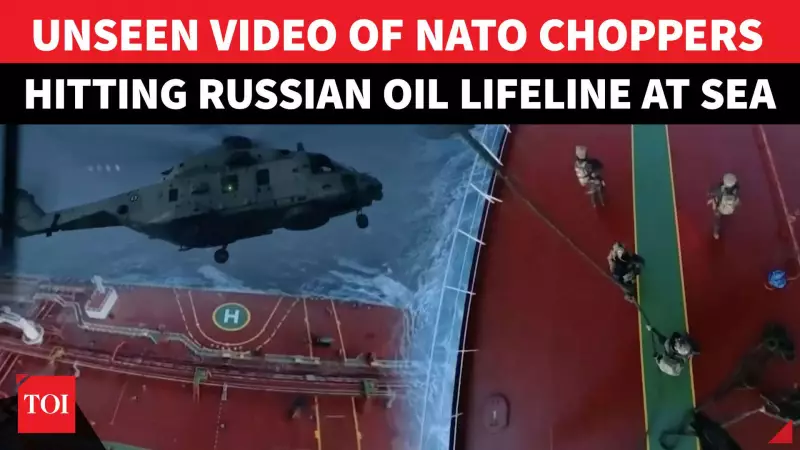
In a bold military operation that signals escalating tensions between Western powers and Russia, French forces have released compelling night-vision footage showing a helicopter-borne raid on an oil tanker suspected of operating as part of Russia's sanction-busting "shadow fleet." The dramatic interception occurred in the western Mediterranean Sea, marking a significant escalation in NATO's efforts to enforce international sanctions against Moscow.
Details of the High-Stakes Maritime Operation
The targeted vessel, identified as The Grinch, was intercepted following precise intelligence shared by the United Kingdom's security agencies. According to official reports, the tanker had departed from the Russian port of Murmansk and was sailing under a flag linked to the Comoros Islands, immediately raising suspicions of false registration designed to evade international scrutiny.
Armed French personnel executed a technically challenging operation, rappelling from helicopters onto the moving ship under cover of darkness. The special forces team swiftly secured the bridge and detained the entire crew for questioning. This meticulously planned raid represents one of the most direct confrontations between NATO forces and vessels associated with Russia's efforts to circumvent Western sanctions.

Broader Implications for International Relations
This incident occurs against a backdrop of deteriorating relations between French President Emmanuel Macron and Russian President Vladimir Putin, with analysts suggesting it could mark the beginning of a new phase in the ongoing geopolitical conflict. The seizure of The Grinch demonstrates NATO's increasing willingness to take direct action against what Western authorities describe as Russia's "shadow fleet"—a network of vessels allegedly used to transport oil and other commodities while avoiding international sanctions.
The operation highlights several critical developments:
- Enhanced intelligence cooperation between NATO members, particularly between France and the United Kingdom
- A more aggressive stance by Western powers in enforcing maritime sanctions against Russia
- The technical capability of NATO forces to conduct complex operations against moving targets at sea
- Growing concerns about the use of false flag registrations to facilitate sanction evasion
Regional and Global Security Ramifications
Security experts warn that such direct confrontations at sea could potentially escalate into broader conflicts, particularly given the strategic importance of Mediterranean shipping routes. The successful interception of The Grinch may prompt similar operations against other vessels suspected of participating in Russia's sanction-evasion networks.
Meanwhile, the incident has sparked renewed debate about the effectiveness of current sanction regimes and the measures required to close loopholes in international maritime law. As Western powers demonstrate their capability and willingness to intercept suspicious vessels, the dynamics of global energy trade and maritime security continue to evolve in response to ongoing geopolitical tensions.