

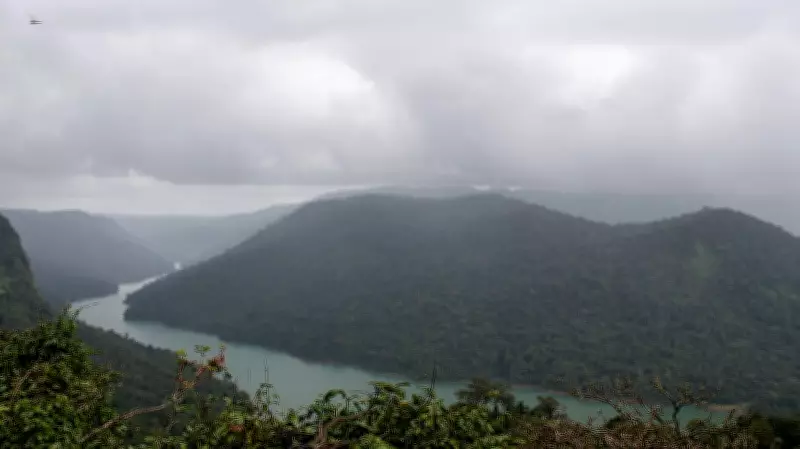
NBWL Panel Recommends Rejection of Karnataka's Sharavathi Pumped Storage Project
A crucial panel of the National Board for Wildlife (NBWL) has formally recommended the rejection of the proposed Sharavathi pumped storage project in Karnataka. This significant decision underscores mounting environmental concerns over large-scale infrastructure developments in ecologically sensitive regions.
Environmental Concerns and Project Details
The Sharavathi pumped storage project, planned in the Shivamogga district, aims to generate electricity by pumping water between two reservoirs at different elevations. However, the NBWL's standing committee has raised serious objections, primarily due to the project's location within the Western Ghats, a UNESCO World Heritage Site and a global biodiversity hotspot.
The panel highlighted that the construction and operation of the project would lead to irreversible damage to the region's rich flora and fauna. Specific concerns include habitat destruction for endangered species, disruption of natural water flows, and increased risk of landslides and soil erosion in the fragile ecosystem.

Impact on Local Communities and Wildlife
Beyond environmental risks, the project is expected to adversely affect local communities, including tribal populations and farmers dependent on the Sharavathi river basin for their livelihoods. The NBWL panel noted that the displacement of people and loss of agricultural land could have severe socio-economic consequences.
Key wildlife species at risk include:
- Lion-tailed macaques
- Malabar giant squirrels
- Various endemic bird species
- Aquatic life in the Sharavathi river
The panel emphasized that alternative energy solutions should be explored to meet Karnataka's power needs without compromising ecological integrity.
Broader Implications for Energy Projects
This recommendation by the NBWL panel sets a precedent for future energy projects in protected areas across India. It reflects a growing emphasis on balancing development with conservation, particularly in regions like the Western Ghats, which are critical for climate regulation and biodiversity.
Environmental activists and conservation groups have welcomed the panel's stance, urging the government to prioritize renewable energy sources that minimize ecological footprints. The final decision on the project now rests with higher authorities, but the NBWL's input is likely to influence the outcome significantly.






