Scientists Discover Isolated NEOM Brine Pools in Gulf of Aqaba's Depths
Beneath the typically calm surface of the Gulf of Aqaba lies a remarkable geological feature that has captured scientific attention. At a staggering depth of approximately 1,800 meters, researchers have identified a dense pool of highly saline water resting on the seafloor, completely separated from the surrounding Red Sea waters.
Mapping the Underwater Brine Lakes
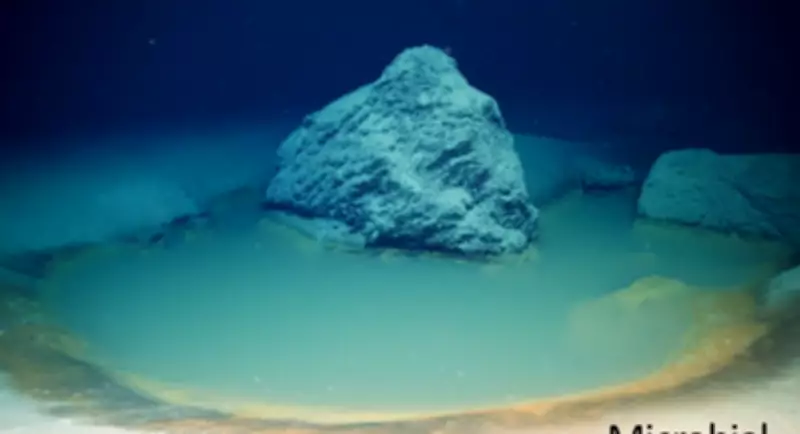
The feature, known as the NEOM brine pools, covers an area of roughly 10,000 square meters, with three smaller pools located nearby. Using remotely operated vehicles working at extreme depths in the northern Red Sea, scientists have mapped these unique formations with unprecedented detail. Video footage and sampling reveal a distinct, clear boundary between normal seawater and the darker, denser brine below.
The water inside these pools is estimated to be around four times saltier than typical seawater and contains almost no oxygen. Due to its exceptional density and weight, the brine remains trapped within a basin, forming what researchers describe as an isolated underwater lake system that doesn't mix easily with surrounding waters.

Extreme Conditions Create Unique Ecosystem
According to the study published in Communications Earth & Environment, the center of these brine pools is largely devoid of larger marine life due to the extreme conditions. Animals that accidentally stray into the pool appear disoriented and quickly retreat. However, at the margins where oxygenated seawater meets the brine, a fascinating ecosystem emerges.
Microbes cluster along this thin boundary where chemistry shifts dramatically across just a short distance. Bacteria adapted to high salinity seem to thrive in this narrow zone, while small crustaceans have been observed feeding on microbial growth in this specialized habitat.
Preserved Sediment Records and Scientific Significance
Below the brine layer, the seabed remains remarkably undisturbed. Unlike most marine environments where organisms constantly churn through sediment, the lack of oxygen here limits biological activity, creating layered, quiet sediment beds. Cores taken from the bottom reveal thin bands of sediment stacked over time, potentially preserving environmental records reaching back approximately 1,200 years.
Scientists studying extremophile microbes consider these habitats valuable analogues for early Earth conditions. The preserved sediment layers, some thicker from sudden floods or underwater landslides, offer researchers unique insights into historical environmental changes in this tectonically active region.
This discovery adds to growing scientific interest in deep sea brine pools and their role in preserving environmental records while supporting specialized microbial communities in some of the ocean's most extreme conditions.