

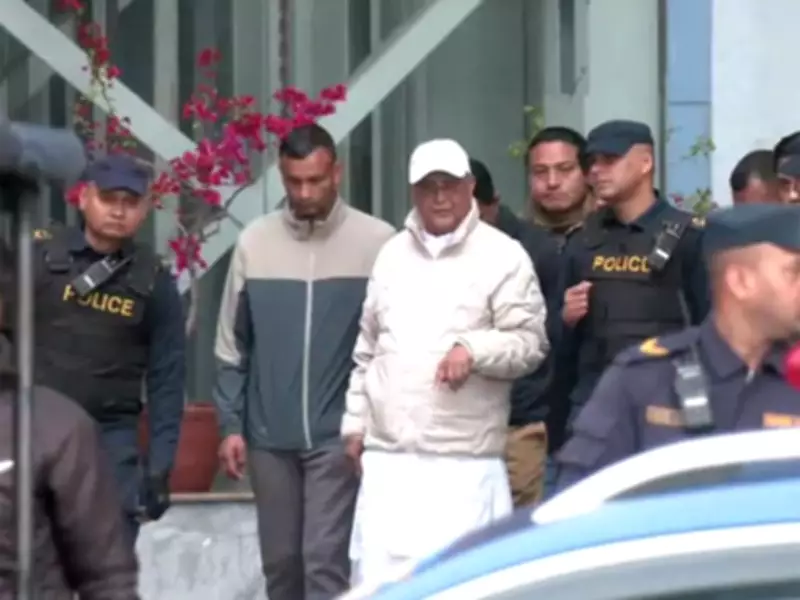
Nepal's Communist Party Denounces Arrest of Former PM KP Oli
In a significant development in Nepal's political landscape, the Communist Party of Nepal has issued a forceful condemnation of the arrest of former Prime Minister KP Sharma Oli. The party has labeled the detention as a clear case of political revenge, asserting that there are no legitimate legal grounds to justify the action.
Political Revenge Allegations Surface
The Communist Party, in an official statement, declared that the arrest of KP Oli is a targeted move driven by political vendetta rather than any substantive legal basis. This accusation comes amid heightened tensions in Nepal's political sphere, where rival factions have been engaged in a protracted power struggle. The party emphasized that such actions undermine democratic principles and the rule of law, potentially destabilizing the nation's governance.
Background on KP Sharma Oli
KP Sharma Oli, a prominent figure in Nepalese politics, served as the Prime Minister of Nepal on multiple occasions, most recently from 2018 to 2021. His tenure was marked by significant political maneuvers and controversies, including disputes within the ruling coalition. Oli has been a central figure in the Communist Party, which has historically played a crucial role in shaping Nepal's political direction, especially following the abolition of the monarchy and the establishment of a federal republic.

Legal and Political Implications
The arrest raises serious questions about the intersection of law and politics in Nepal. The Communist Party's statement suggests that the move is an attempt to sideline political opponents through judicial means, a tactic that could have far-reaching consequences for the country's democratic institutions. Experts warn that such actions might erode public trust in the legal system and exacerbate political polarization.
International Reactions and Domestic Fallout
While international observers have yet to comment extensively, the incident is likely to draw attention to Nepal's internal political dynamics. Domestically, the arrest could trigger protests and further unrest, as supporters of Oli and the Communist Party mobilize against what they perceive as an unjust act. The situation underscores the fragile nature of Nepal's political stability, which has been tested by frequent changes in leadership and coalition politics.
Future Outlook for Nepal's Politics
As the controversy unfolds, the focus will be on how the Nepalese government responds to the allegations of political revenge. The Communist Party has vowed to challenge the arrest through legal and political channels, setting the stage for a protracted battle that could influence upcoming elections and policy decisions. This event highlights the ongoing challenges in Nepal's transition to a stable democratic system, where political rivalries often spill over into legal arenas.
In conclusion, the arrest of KP Sharma Oli has ignited a fierce debate in Nepal, with the Communist Party leading the charge against what it calls a politically motivated move. The outcome of this conflict will likely have significant implications for the country's governance and democratic health in the coming months.






