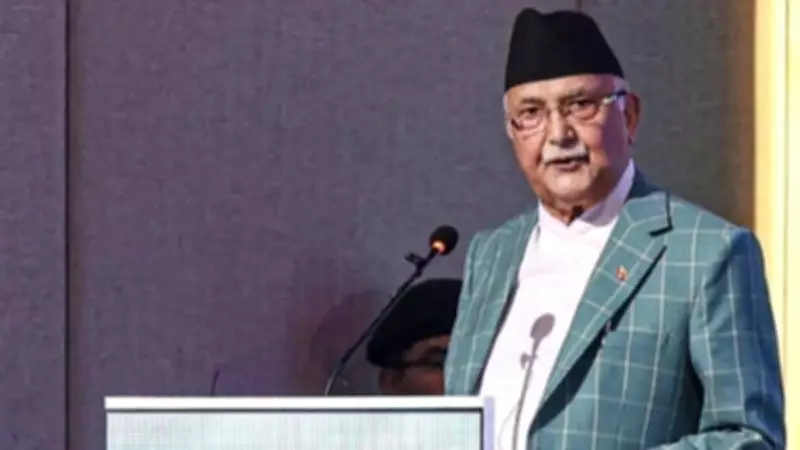
Nepal's Supreme Court Demands Government Explanation Over Former PM's Arrest
In a significant legal development, the Supreme Court of Nepal has formally issued a show-cause notice to the government, demanding a detailed explanation for the arrest of former Prime Minister K P Sharma Oli. This judicial action underscores the court's scrutiny of the circumstances surrounding Oli's detention, which has sparked considerable political and public debate.
Arrest Linked to Deadly Protest Crackdown
The arrest of KP Sharma Oli, which occurred on March 28, 2026, is directly connected to his alleged involvement in the violent government response to the Gen Z protests that took place on September 8 and 9 of the previous year. According to official reports, this crackdown resulted in the tragic deaths of 76 individuals, marking one of the most severe incidents of civil unrest in recent Nepalese history.
The Supreme Court's notice requires the government to provide a comprehensive justification for Oli's arrest, including the legal basis and evidence supporting the charges against him. This move highlights the judiciary's role in ensuring accountability and transparency in high-profile political cases, particularly those involving former heads of state.

Background and Implications
KP Sharma Oli, a prominent political figure who served as Prime Minister of Nepal, has been a central figure in the country's political landscape. His arrest has raised questions about the balance between law enforcement actions and political motivations, especially in the context of the Gen Z protests, which were driven by youth demands for governmental reform and social justice.
The show-cause notice issued by the Supreme Court is a procedural step that could lead to further legal proceedings, potentially influencing Nepal's political stability and governance. It reflects ongoing tensions between the executive and judicial branches, as well as broader societal concerns over human rights and democratic processes.
Key Points of the Case:- The Supreme Court's notice was issued on March 30, 2026, as reported by PTI.
- Oli's arrest is tied to the violent suppression of protests that resulted in 76 fatalities.
- The government must respond to the court's inquiry, detailing the grounds for the arrest.
- This case could set a precedent for how Nepal handles accountability for state actions during civil unrest.
As the situation unfolds, observers are closely monitoring the government's response and the Supreme Court's subsequent actions. The outcome may have far-reaching consequences for Nepal's legal framework and political environment, emphasizing the importance of judicial oversight in matters of public interest and national significance.