

Netanyahu Confirms Elimination of IRGC Navy Commander Who Led Hormuz Closure
In a significant development in the ongoing Middle East conflict, Israeli Prime Minister Benjamin Netanyahu has confirmed the elimination of a top commander of the Islamic Revolutionary Guard Corps (IRGC) Navy. The operation, which also targeted other key figures, marks a severe blow to Iran's maritime capabilities.
Forceful Strikes Against Iranian Targets
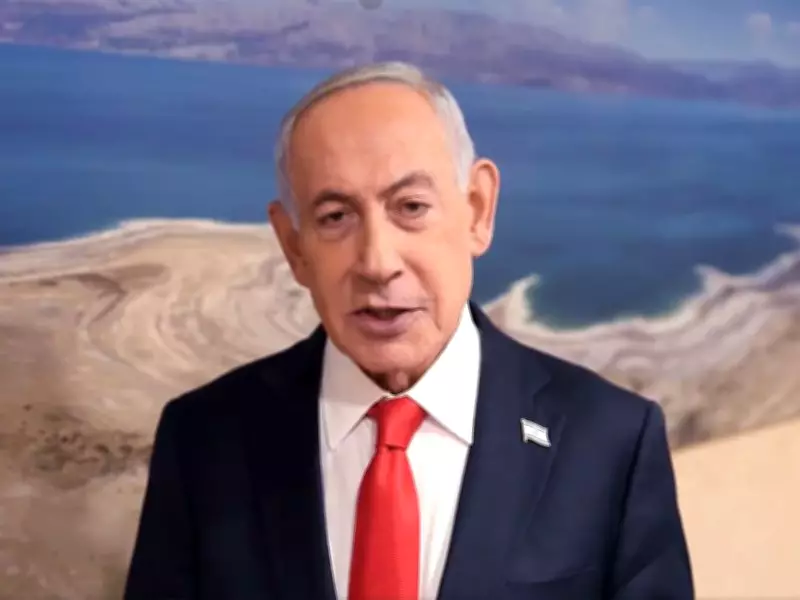
Prime Minister Netanyahu, in a video statement shared on social media platform X, emphasized Israel's persistent campaign against Iranian forces. "We continue to forcefully strike the targets of the Iranian terrorist regime," he declared, underscoring the ongoing nature of military actions.
He specifically highlighted the elimination of the IRGC Navy Commander, stating, "Last night, we eliminated the Commander of the IRGC Navy. This man had a great deal of blood on his hands; he was also the one who led the closure of the Strait of Hormuz." This reference points to Ali Reza Tangsiri, who has been identified as the commander over the past eight years.

Details of the Targeted Operation
The Israel Defence Forces (IDF) provided further details in a parallel post on X. According to their statement, the Air Force conducted a precise strike overnight in Bandar Abbas, Iran, under intelligence guidance from Military Intelligence and the Navy's Intelligence Branch.
The IDF confirmed that Tangsiri was eliminated, noting his key roles in:
- Overseeing the regime's maritime terror activities.
- Coordinating between Iranian military forces in the Gulf region.
- Attacking oil tankers and merchant ships.
- Threatening freedom of navigation and trade in the Strait of Hormuz.
Additionally, the IDF stated that Tangsiri "led the closure of the Strait of Hormuz and promoted terror actions in the maritime domain, one of the main figures responsible for disrupting the global economy."
Elimination of Intelligence Division Head
Alongside Tangsiri, the IDF confirmed the elimination of Hanam Rezaei, the head of the IRGC Navy's Intelligence Division. Rezaei was described as a "hub of knowledge in maritime intelligence" who engaged in intelligence gathering on regional countries and led collaborations with various intelligence organizations.
Strategic Impact and US Cooperation
Prime Minister Netanyahu linked this operation to broader strategic goals, stating, "This is yet another example of the cooperation between us and our friend, the United States, toward the common goal of achieving the objectives of the war." This highlights the ongoing military alliance between Israel and the US in the region.
The IDF noted that this operation joins dozens of eliminations of Iranian commanders, constituting "another severe blow to the Revolutionary Guards' command and control systems, and to its ability to conduct terror activities in the maritime domain against regional countries."
Context and Regional Implications
The Strait of Hormuz is a critical chokepoint for global oil shipments, and its closure has significant implications for international trade and energy security. Tangsiri's role in leading such actions underscores the high stakes involved in this conflict.
This development comes amid escalating tensions in the Middle East, with previous reports of Iranian missile and drone attacks, Hezbollah operations, and broader regional instability. The elimination of key IRGC figures is likely to further intensify the conflict, potentially affecting global economic stability and security dynamics in West Asia.
As the situation evolves, international observers are closely monitoring the responses from Iran and other regional actors, with concerns about potential retaliation and further escalation in this volatile part of the world.






