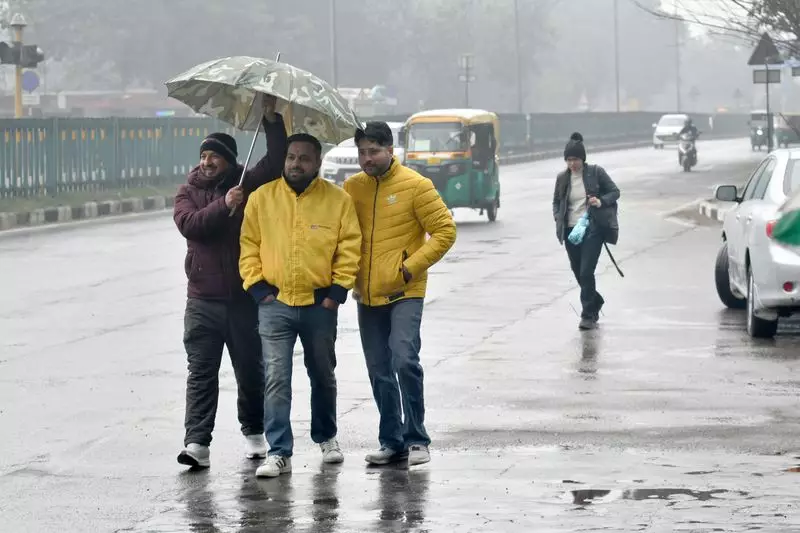
Chandigarh and its surrounding regions finally received a much-awaited respite from an extended dry period as light to moderate rain showers ushered in the New Year. The precipitation, recorded on the morning of January 1, 2026, effectively broke a persistent dry spell that had lasted for over a month.
A Wet Welcome to the New Year
The India Meteorological Department (IMD) confirmed that the city recorded 1.6 mm of rainfall between 8:30 am and 5:30 pm on Thursday. This marked a significant meteorological event, as the area had not witnessed any measurable rain for 31 consecutive days prior to this. The last recorded rainfall was a minimal 0.4 mm on December 1, 2025.
Residents woke up to overcast skies and a steady drizzle, which continued intermittently throughout the day. The rain brought down temperatures slightly and improved air quality, offering a pleasant change from the prolonged dry and dusty conditions. The showers were not confined to Chandigarh alone; neighbouring areas in Punjab and Haryana also reported similar weather activity.

IMD Forecast and Weather Patterns
According to the IMD's regional forecast, the wet weather is likely to persist. The department has predicted generally cloudy skies with the possibility of light rain or drizzle for Friday, January 2. This aligns with the broader western disturbance affecting the region's weather patterns.
The maximum temperature on New Year's Day settled at approximately 20.4 degrees Celsius, which was close to the season's average. The minimum temperature was recorded at 7.2 degrees Celsius. The IMD bulletin indicated that temperatures are expected to remain stable, with no significant cold wave conditions anticipated in the immediate future for the Union Territory.
Impact and Relief from Dry Conditions
The break in the dry spell is a welcome development for several reasons. The prolonged absence of rain had led to an accumulation of dust and pollutants, affecting air quality. The recent showers have helped settle the dust, leading to clearer skies and fresher air. For the agricultural belt in the surrounding states, even this modest rainfall provides some soil moisture benefit during the winter crop season.
Local authorities and the meteorological department continue to monitor the situation closely. Citizens are advised to stay updated with the latest weather bulletins, especially if planning travel, as the predicted cloudy conditions and potential for more drizzle might affect visibility and road conditions.
This New Year rain serves as a reminder of the dynamic nature of North India's winter weather, where western disturbances can swiftly alter conditions, bringing relief from extended dry phases and subtly shifting the temperature profile as the season progresses.