

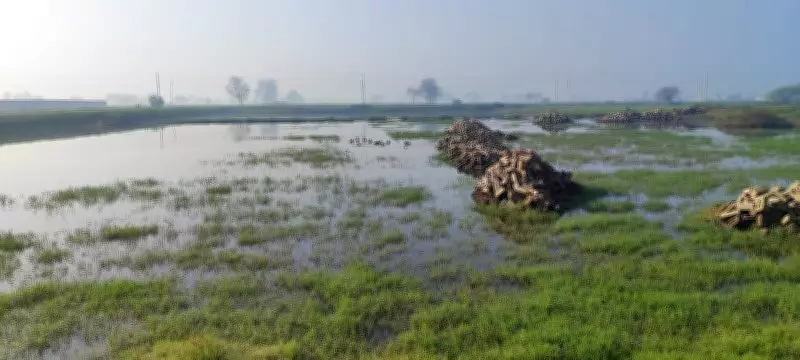
The National Green Tribunal (NGT) has turned its attention to the dual water challenges plaguing Haryana: an excess of water in certain regions leading to floods, and a severe scarcity in others causing droughts. This paradoxical situation has prompted the green court to seek comprehensive solutions from the state government and related authorities.
Understanding the Water Paradox
Haryana experiences a stark contrast in water availability across its districts. Northern areas often face waterlogging and flood-like conditions due to inadequate drainage and heavy monsoon rains, while southern parts suffer from acute water shortages, impacting agriculture and daily life. The NGT has taken suo motu cognizance of this issue, emphasizing the need for a balanced approach to water management.
Key Concerns Raised by the NGT
- Flood Management: The tribunal highlighted the lack of proper drainage systems in flood-prone areas, leading to water stagnation and damage to crops and property.
- Drought Mitigation: In contrast, drought-hit regions require urgent measures for water conservation, rainwater harvesting, and efficient irrigation techniques.
- Groundwater Depletion: Over-extraction of groundwater in certain areas has exacerbated the scarcity, necessitating stricter regulations.
Government's Response and Action Plan
The Haryana government has been directed to submit a detailed action plan within four weeks. The plan must include short-term and long-term strategies to address both flooding and drought. Proposed measures include the revival of traditional water bodies, construction of check dams, and implementation of the Pradhan Mantri Krishi Sinchayee Yojana (PMKSY) to promote micro-irrigation.

Role of Technology and Community Participation
The NGT has stressed the importance of using modern technology for real-time monitoring of water levels and weather patterns. Additionally, community participation is crucial for the success of water conservation initiatives. The tribunal has called for awareness campaigns to educate farmers about water-saving techniques and the benefits of crop diversification.
Environmental and Agricultural Impact
The water imbalance poses a significant threat to Haryana's agriculture, a backbone of its economy. Floods damage standing crops, while droughts reduce yields, affecting farmer incomes and food security. The NGT's intervention aims to create a sustainable water management framework that can mitigate these risks and ensure equitable distribution.
Legal and Regulatory Framework
The tribunal has also examined the implementation of existing laws, such as the Haryana Water Resources (Conservation, Regulation and Management) Authority Act. It has sought compliance reports and urged the state to take punitive action against those violating water extraction norms.
In conclusion, the NGT's focus on Haryana's twin water challenges underscores the urgent need for integrated water resource management. The tribunal's directives, if implemented effectively, could serve as a model for other states grappling with similar issues. The upcoming action plan will be crucial in determining the path forward for Haryana's water security.






