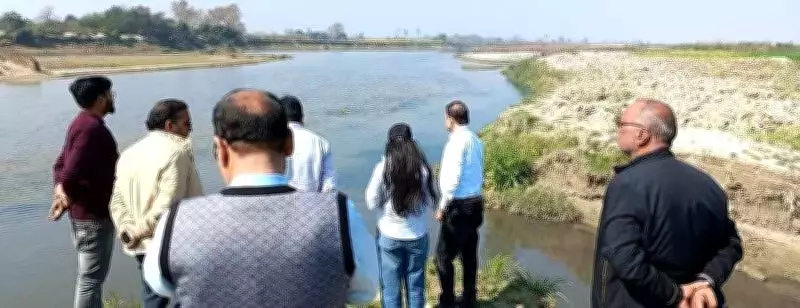
NGT Inspection Team Assesses Pollution in Pilibhit's Devha River Drains
A specialized two-member team appointed by the National Green Tribunal conducted a thorough inspection of nine severely polluted city drains in Pilibhit on Thursday. These drains have been discharging untreated waste directly into the Devha river, prompting urgent environmental concerns.
Petition-Driven Action to Protect Ancient River
The inspection was initiated after the NGT took cognisance of an application filed on October 28 last year by Pilibhit-based lawyer and social volunteer Shivam Kashyap. Kashyap's petition urgently requested tribunal intervention to curb escalating pollution and preserve the river's significant religious and ancient heritage.
Alarming Findings During Drain Inspection
Officials reported disturbing discoveries during the assessment. The drains were found releasing untreated sewage, substantial plastic waste, polythene materials, and various other litter directly into the river. Most concerningly, two drains were carrying remnants of slaughtered animals, despite the absence of any licensed slaughterhouse operating within the district.

Expert Team Composition and Broader Assessment
The NGT panel comprised Harish Kumar Mahavar, an acknowledged expert on small river rejuvenation, and Kirti Verma, both representing the National Mission for Clean Ganga. Beyond the drain inspection, the team comprehensively reviewed roadside dumping of household waste on the city's outskirts, alongside evaluating existing sewage and solid-waste management systems.
Historical and Agricultural Significance of Devha River
River Devha, historically referenced in scriptures as Devhooti Ganga and believed to predate the Ganga itself, originates in Uttarakhand's central Kumaun region. It eventually merges with the Ganga near Farrukhabad. This vital waterway supports extensive irrigation through critical structures including the Nanak Sagar dam and Deuni barrage, with multiple canals drawing essential water from it for agricultural purposes.
Administrative Response and Planned Measures
District Magistrate Gyanendra Singh revealed he had received directives from NMCG director Rahul Dwivedi to convene a joint meeting of key departments. This includes representatives from the pollution control board, urban local bodies, irrigation department, and Jal Nigam. The meeting aims to review compliance with NGT norms and finalize concrete action plans.
"The pollution is clearly visible in drains and along roadsides. We will submit our report with specific recommendations to the NGT," stated team member Kirti Verma following the inspection.
Immediate and Long-Term Remedial Actions
DM Singh outlined several proactive measures already underway. Tenders have been formally invited for operating the solid waste management plant, while a detailed proposal for bioremediation of the polluted drains has been submitted to the state government for approval. Singh emphasized that strict legal action would be taken against individuals or entities dumping animal remains into drains. Additionally, dairies currently operating within city limits will be systematically relocated to the outskirts to mitigate pollution sources.