

National Green Tribunal Takes Action on Alleged Sand Mining Violations in Odisha
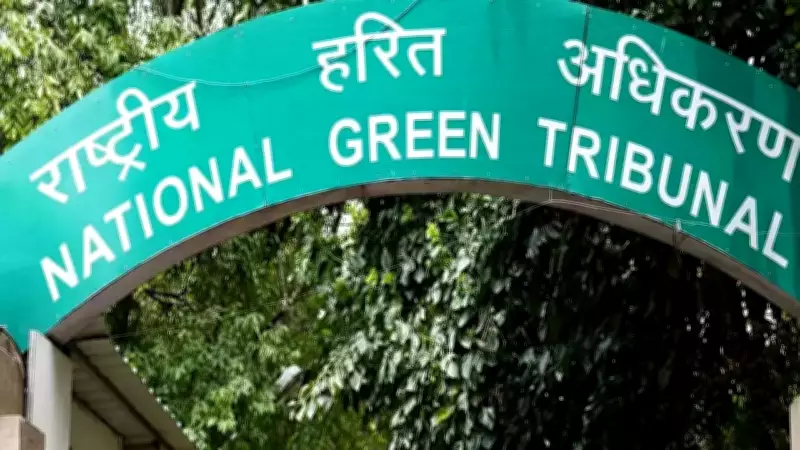
The National Green Tribunal (NGT) has formally taken cognizance of alleged large-scale environmental violations occurring within a significant sand mining project located in Odisha's Ganjam district. In a decisive move, the tribunal has issued official notices to multiple state authorities demanding explanations and compliance reports.
Petition Details and Alleged Violations
The NGT's East Zone Bench was hearing a detailed petition filed by Rajani Kanta Padhy, a resident of Ganjam district. The plea specifically targets the Kharida Sand Bed Mining Project, which is being undertaken by a private lessee. This project spans over 13 acres at the sensitive confluence of the Rushikulya and Ghorahara rivers within Hinjilicut tehsil.
The petition levies serious allegations that the project is operating in blatant violation of established environmental norms and statutory conditions. It claims breaches of the mandatory Environment Clearance (EC) conditions, Consent to Operate (CTO) norms, and the national sand mining guidelines formulated to protect riverine ecosystems.

- The illegal use of heavy machinery such as excavators and Hyva trucks, which are strictly prohibited in such ecologically sensitive mining operations.
- Mining activities being conducted by the lessee beyond the officially sanctioned lease area and permissible extraction limits.
- Operations within restricted zones, including critical riverbanks and designated safety areas, which has reportedly disrupted the natural flow of the rivers.
- Deliberate cutting of riverbanks to facilitate vehicle movement, thereby aggravating existing ecological damage.
Advocates Sankar Prasad Pani and Ashutosh Padhy presented these submissions on behalf of the petitioner, providing substantial materials for the tribunal's consideration.
NGT's Observations and Issued Notices
After reviewing the submissions and documented evidence, the Bench—comprising Judicial Member Arun Kumar Tyagi and Expert Member Dr. A. Senthil Vel—made a critical observation. They stated, "Prima facie the averments made in the application raise substantial questions relating to environment arising out of the implementation of the enactments specified in Schedule-I to the National Green Tribunal Act, 2010."
Acting on this finding, the Bench, in its order dated March 17 (uploaded on March 24), directed its registry to issue formal notices to a comprehensive list of authorities. This list underscores the multi-departmental nature of the alleged violations.
The notices have been issued to:- The Chief Secretary of Odisha
- The Ganjam District Collector
- The Deputy Director of Mines (Ganjam Circle)
- The Divisional Forest Officer (Berhampur)
- The Superintending Engineer (Irrigation)
- The Tahasildar of Hinjilicut
- The Member Secretaries of the Odisha State Pollution Control Board (OSPCB)
- The Member Secretaries of the State Environment Impact Assessment Authority (SEIAA)
- The Chief Executive of the Odisha Space Application Centre (OSAC)
Compliance Gaps and Environmental Concerns
The petition meticulously highlighted significant gaps in regulatory compliance and environmental safeguards. It pointed out the absence of mandatory annual replenishment studies and crucial pre- and post-monsoon surveys, which are essential for assessing the project's impact on river health and sediment balance.
Furthermore, the petition raised alarms over the complete lack of mandated monitoring systems. These include GPS tracking for mining vehicles, CCTV surveillance at the site, and the issuance of electronic transit passes for sand transportation—all critical tools for ensuring transparency and adherence to limits.
Additional public welfare concerns were also brought to light. The plea detailed issues of overloaded vehicles illegally transporting sand through rural and populated areas. This practice is not only damaging local roads but is also contributing to heightened levels of air pollution, affecting the health and quality of life for nearby communities.

Next Steps and Hearing Schedule
The NGT has given the respondents a period of four weeks to file their detailed replies to the allegations. The case has been scheduled for its next hearing on April 22, 2026, where the tribunal will examine the responses and determine the future course of action to address these serious environmental concerns.





