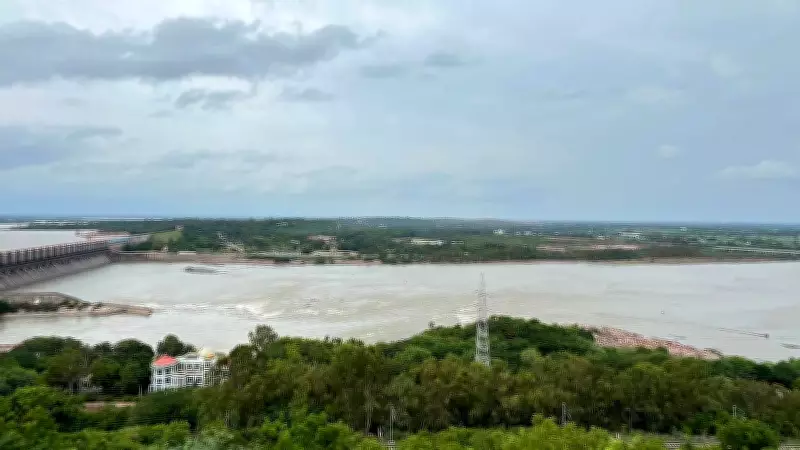
Historic Resilience Tested
The twin dams of Almatti and Basava Sagar on the Krishna River in North Karnataka have long been pillars of water security for the region. They have survived several severe droughts over the decades, but this year's delayed monsoon is pushing them to their limits. As of late July, the catchment area has received far less rainfall than usual, leading to critically low reservoir levels. The situation is reminiscent of past crises, yet experts say the cumulative impact of consecutive dry years is making this test particularly severe.
Current Situation and Impact
The delayed monsoon has reduced inflows to a trickle. According to data from the Karnataka State Natural Disaster Monitoring Centre, the rainfall deficit in the upper Krishna basin is significant, though exact figures are not yet released. The Almatti dam, with a capacity of about 123 TMC, is currently at only a fraction of its full level. This has direct consequences for irrigation in the region, which relies heavily on canal systems fed by these reservoirs. Farmers in districts like Bagalkot, Vijayapura, and Belagavi are facing delayed sowing and potential crop loss. Drinking water supply to several towns and villages is also under threat.
The state government has begun contingency planning, including releasing water from other sources and advising farmers to opt for less water-intensive crops. However, the situation remains precarious. As Arjuna Srinidhi notes in his analysis, the resilience of the Almatti-Basava Sagar cascade is being stretched like never before. The next few weeks will be critical, as any further delay in monsoon rains could trigger a full-blown water crisis in North Karnataka.