Odisha Forest Fires Surpass 18,000 Incidents This Summer Season
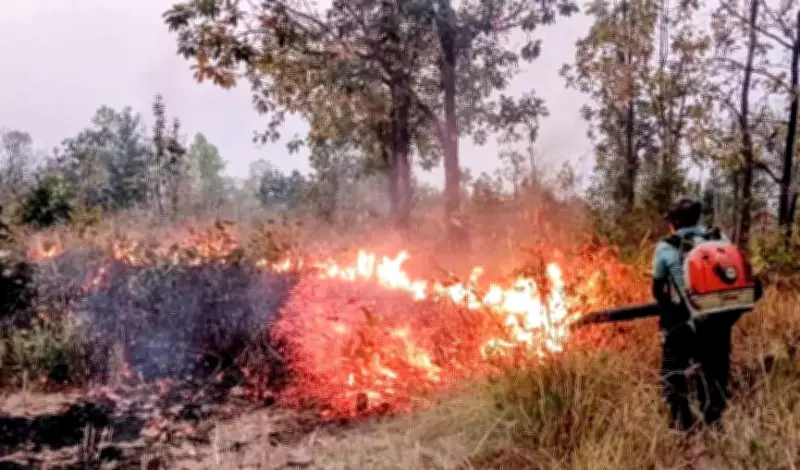
Forest fire incidents in the state of Odisha have alarmingly crossed the 18,000 mark this summer, according to official data released by the state forest department on Wednesday. The situation highlights a severe environmental challenge, with specific regions emerging as critical hotspots.
Baliguda and Kalahandi North Divisions Identified as Major Fire Zones
The Baliguda forest division in Kandhamal district and the Kalahandi North division have been pinpointed as the primary areas reporting the highest concentration of fire points. Both of these regions are predominantly tribal-dominated, and they have consistently recorded far more fire incidents compared to many other forest divisions across Odisha.
Forest officials have provided a detailed explanation for this disturbing pattern. The root cause is closely tied to traditional livelihood practices prevalent in parts of Kalahandi, most of Kandhamal, and Boudh districts. Local communities in these areas routinely engage in controlled burning of bushes and undergrowth.

Controlled Burning for Livelihood Activities Fuels Fire Incidents
This deliberate burning is conducted to facilitate several key economic activities that serve as primary sources of income for tribal populations. These include the collection of mahua flowers, the practice of podu or shifting cultivation, and the plucking of kendu leaves. The burning process clears the forest floor, making access significantly easier during the crucial collection seasons.
However, this traditional method comes with a heavy environmental cost. While it aids local economies, it also contributes substantially to the sharp rise in forest fire incidents across these divisions. The practice, though intended to be controlled, often escalates, leading to widespread blazes.
Current Fire Situation Compared to Previous Year Shows Some Improvement
Despite the high number of fire points reported this year, forest department officials have noted that the overall situation remains below the levels witnessed during the previous summer. Last year, Odisha recorded a staggering 28,585 fire points.
A senior forest officer stated, "If intermittent overcast conditions continue throughout May and June, the total number of fire points this season may very well remain below last year’s figure." This cautious optimism is based on weather patterns playing a mitigating role.
Weather Patterns and Proactive Measures Aid Containment Efforts
Deputy Conservator of Forests Sunita Jee, who oversees forest fire incidents in the state, provided further insights. She reported a noticeable decline in fire occurrences during the second week of April, attributed directly to overcast weather conditions. However, the numbers saw an uptick again in the third week.
"Even with the recent increase, the scale and intensity of fires in April have remained lower than during the corresponding period last year," Jee emphasized. She added that most fire points are being actively attended to by dedicated forest personnel. Ground teams are employing blowers and other manual firefighting measures to douse the flames and prevent further spread.
Department Credits Monitoring and Intervention for Protecting Core Areas
The forest department has acknowledged that while weather has provided temporary relief, daily monitoring and proactive intervention have been equally critical in containing the fire spread. These concerted efforts have yielded positive results, ensuring that the core areas of wildlife sanctuaries and reserve forests have, so far, remained largely unaffected by the blazes.
This is a significant achievement, even as fire-prone divisions like Baliguda and Kalahandi North continue to report a high volume of incidents. The department remains on high alert, balancing the challenge of mitigating fires while understanding the socio-economic dependencies of local tribal communities on these forest practices.