

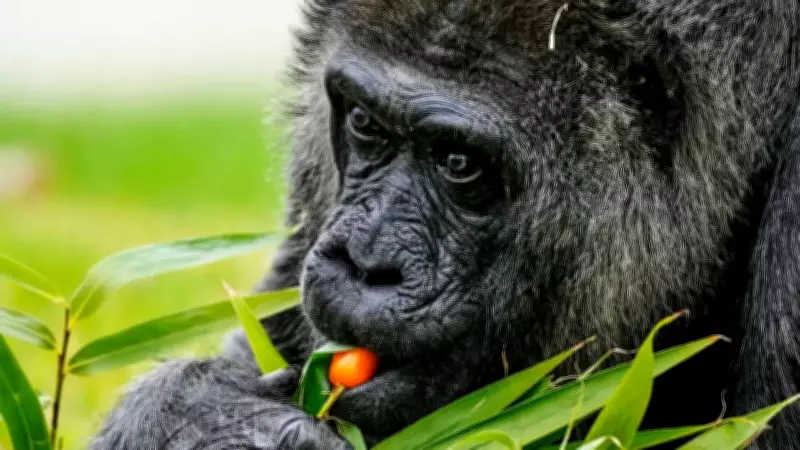
World's Oldest Captive Gorilla Marks 69th Birthday with Special Meal
The Berlin Zoo celebrated a remarkable milestone on Monday as Fatou, recognized as the world's oldest gorilla living in captivity, turned 69 years old. The elderly western lowland gorilla enjoyed a specially prepared birthday meal that included cherry tomatoes, beets, leeks, and fresh lettuce. Notably absent from the celebration was any form of cake or sugary treats, as zoo officials explained that sugar is not considered healthy for an animal of her advanced age.
From West Africa to Berlin: Fatou's Extraordinary Journey
Fatou arrived in West Berlin in 1959 when the city was still divided. Although her exact birth date remains unknown, she was believed to be approximately two years old at the time of her arrival. The zoo has since designated April 13 as her official birthday for celebration purposes. Her journey to Europe was unconventional: according to Guinness World Records documentation, a French sailor originally took her from Africa and exchanged her to settle a bar bill in Marseille, France. She was subsequently sold to the Berlin Zoo by an animal trader.
Gorillas typically live between 35 to 40 years in their natural wild habitats, but can achieve significantly longer lifespans in captivity with proper care and veterinary attention. Fatou has far exceeded these expectations, becoming a living testament to the zoo's animal husbandry practices.

Berlin Zoo's Senior Resident Faces Age-Related Challenges
In 2024, Fatou became the Berlin Zoo's oldest resident following the death of Ingo the flamingo, who was believed to be at least 75 years old and had lived at the facility since 1955. Now living alone in her enclosure, Fatou maintains her distance from other gorillas at the zoo.
The aging gorilla faces several health challenges common to elderly primates:
- Complete tooth loss requiring specially prepared soft foods
- Arthritis affecting her mobility and comfort
- Partial hearing loss that has developed over recent years
Despite these age-related conditions, zoo staff report that Fatou remains in stable health and continues to receive specialized care tailored to her needs as a senior animal.
Conservation Significance and Animal Welfare Considerations
Fatou's extraordinary longevity highlights several important aspects of animal conservation and welfare:
- Captive care advancements that have extended primate lifespans beyond wild averages
- Specialized dietary management for elderly animals with specific nutritional requirements
- Historical context of animal acquisition practices that have evolved significantly since the 1950s
- Geriatric animal care protocols that address age-related conditions in non-human primates
The Berlin Zoo's celebration of Fatou's 69th birthday serves as both a recognition of her individual resilience and an opportunity to reflect on changing attitudes toward animal welfare and conservation over the past seven decades.






