

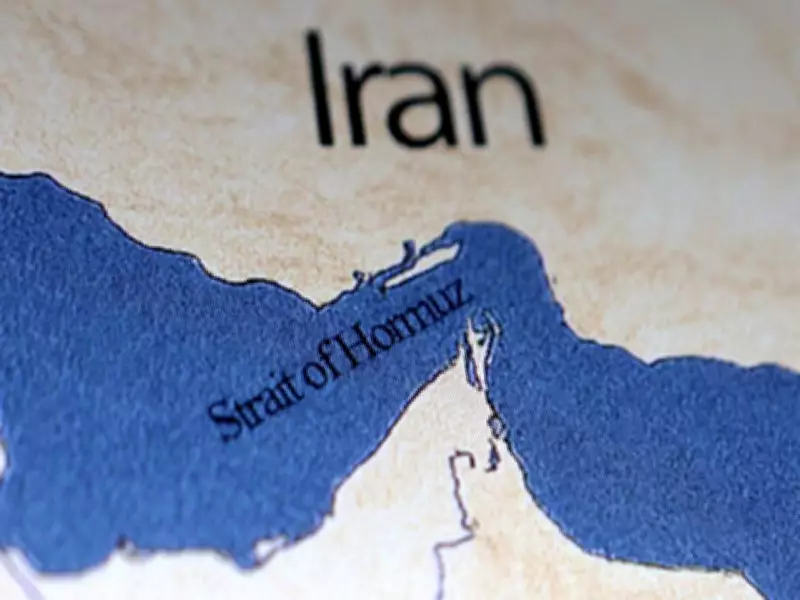
Oman and Iran Launch Formal Dialogue on Strait of Hormuz Amid Regional Unrest
In a significant diplomatic development, Oman and Iran have officially initiated discussions focused on the critical Strait of Hormuz. This move comes as West Asia grapples with heightened conflicts and geopolitical tensions, underscoring the urgency of securing one of the world's most vital maritime chokepoints.
Strategic Importance of the Strait of Hormuz
The Strait of Hormuz serves as a narrow passage connecting the Persian Gulf to the Gulf of Oman and the Arabian Sea. It is a linchpin for global energy supplies, with approximately one-fifth of the world's oil transiting through these waters daily. Any disruption here could trigger severe economic repercussions worldwide, making its stability a paramount concern for international stakeholders.
Context of Regional Conflicts
These talks unfold against a backdrop of escalating strife across West Asia, including ongoing hostilities in Gaza, Yemen, and Syria. The region's volatile security landscape has prompted nations like Oman and Iran to proactively address potential flashpoints. By engaging in dialogue, both countries aim to preempt maritime incidents that could exacerbate existing tensions.

Objectives of the Bilateral Discussions
The primary goals of the Oman-Iran negotiations include:
- Ensuring uninterrupted maritime access for commercial and military vessels.
- Establishing protocols to prevent accidental clashes or blockades.
- Enhancing cooperation on search-and-rescue operations and environmental protection.
- Fostering a framework for crisis management in the event of regional escalations.
Oman, known for its neutral diplomacy, is playing a pivotal mediating role, while Iran seeks to safeguard its strategic interests amid international sanctions and isolation.
Implications for Global Energy Security
The outcome of these discussions holds profound implications for global energy markets. A stable Strait of Hormuz is crucial for maintaining steady oil and gas flows to consumers in Asia, Europe, and beyond. Any agreement reached could serve as a model for regional maritime cooperation, potentially reducing the risk of supply shocks that have historically driven up fuel prices and disrupted economies.
Regional and International Reactions
Neighboring Gulf states and major powers are closely monitoring the talks. While some view them as a positive step toward de-escalation, others remain cautious given Iran's contentious relations with Western nations. The dialogue also highlights Oman's growing influence as a peacemaker in a fractured region, leveraging its historical ties with both Iran and Arab countries.
As West Asia navigates complex conflicts, the Oman-Iran discussions on the Strait of Hormuz represent a critical effort to mitigate risks and uphold maritime security. The success of these talks could not only ease regional tensions but also contribute to broader stability in global trade routes.






