

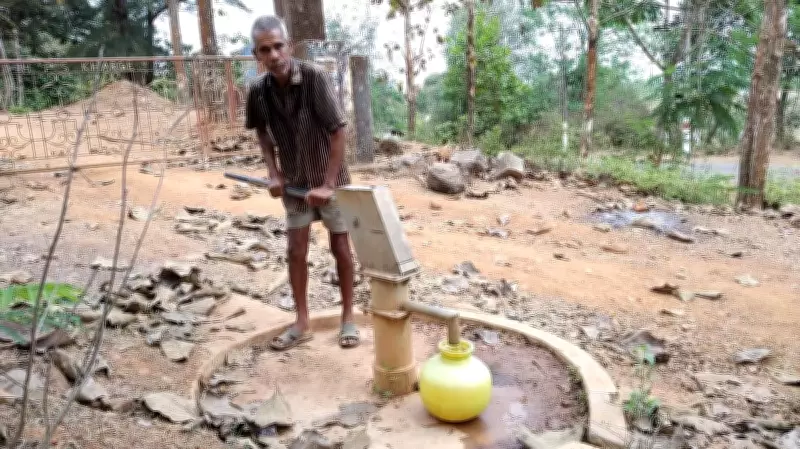
Karnataka is reeling under an acute water shortage as over 1,000 borewells have gone dry and 652 villages are grappling with severe scarcity, according to official reports. The crisis has intensified with the onset of summer, exacerbating the challenges faced by residents and farmers alike.
Extent of the Crisis
Data from the Karnataka State Natural Disaster Monitoring Centre (KSNDMC) reveals that 1,023 borewells have dried up across the state. The worst-affected districts include Chitradurga, Tumakuru, and Vijayapura, where groundwater levels have plummeted. In addition, 652 villages are facing acute water shortage, with many relying on tanker supplies for daily needs.
Impact on Agriculture and Daily Life
The water crisis has severely impacted agriculture, a key livelihood in the region. Farmers are struggling to irrigate crops, leading to potential losses. Residents in affected villages are forced to travel long distances or depend on government-supplied water tankers. The situation is particularly dire in rural areas where borewells are the primary source of water.

Authorities have deployed over 1,500 water tankers to supply drinking water to affected areas. However, the demand far exceeds the supply, causing distress among the populace.
Government Response
The Karnataka government has taken several measures to mitigate the crisis. Chief Minister Siddaramaiah has directed officials to prioritize water supply and implement contingency plans. The government has also initiated a comprehensive groundwater recharge program and is promoting rainwater harvesting. Additionally, funds have been allocated for deepening existing borewells and constructing new ones.
Despite these efforts, the crisis persists due to inadequate rainfall and overexploitation of groundwater. Experts warn that unless sustainable water management practices are adopted, the situation could worsen in the coming years.
Long-term Solutions
Environmentalists and water conservationists emphasize the need for long-term solutions, including:
- Promoting micro-irrigation techniques to reduce water usage in agriculture.
- Implementing strict regulations on borewell drilling.
- Reviving traditional water bodies like tanks and ponds.
- Encouraging community-led water conservation initiatives.
The government has also launched awareness campaigns to educate citizens about water conservation. However, immediate relief remains the priority as the state braces for a prolonged summer.
Meanwhile, opposition parties have criticized the government's handling of the crisis, accusing it of negligence. They have demanded a special session of the state legislature to discuss the water shortage and formulate a comprehensive action plan.
Conclusion
As Karnataka battles one of its worst water crises in recent years, the focus remains on providing immediate relief while implementing sustainable solutions. The drying up of over 1,000 borewells and the plight of 652 villages underscore the urgent need for robust water management policies.






