

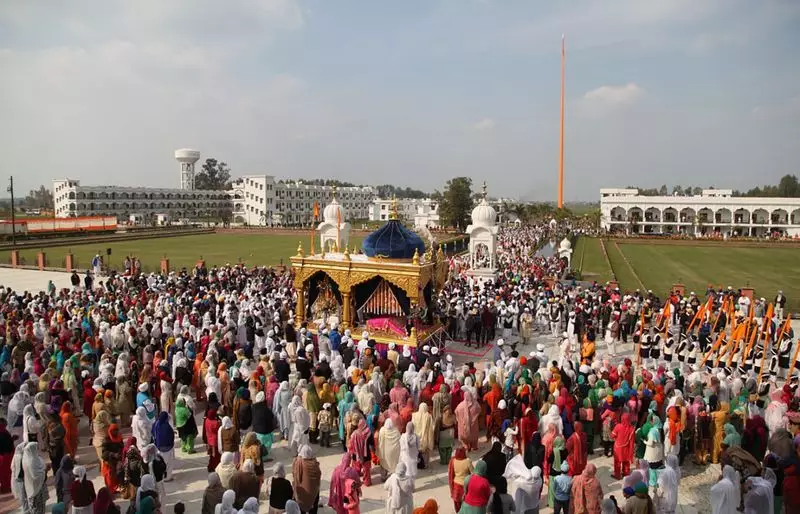
A significant religious gathering in Jalandhar has become the center of an environmental controversy after overseas devotees raised serious concerns about pollution caused during the event. The administration has stepped in following multiple complaints from international visitors who witnessed what they described as substantial environmental damage during the spiritual functions.
International Devotees Voice Environmental Concerns
The situation came to light when devotees visiting from abroad filed formal complaints with the Jalandhar district administration. These international visitors expressed their disappointment at the pollution levels generated during the religious ceremonies. According to their reports, the event resulted in significant environmental contamination that affected the surrounding areas.
The complaints specifically highlighted issues of air and land pollution caused by various activities during the religious gathering. The overseas devotees, who had traveled considerable distances to participate in the spiritual event, found themselves compelled to report the environmental degradation to local authorities.

Administration Takes Swift Action
Upon receiving these complaints, the Jalandhar district administration has initiated measures to address the pollution concerns. Officials have begun investigating the environmental impact of the religious gathering and are working on implementing solutions to prevent similar situations in future events.
The administration's response demonstrates the growing importance of environmental considerations in managing large-scale public gatherings, even those of religious significance. This incident highlights the increasing awareness among both local communities and international visitors about ecological preservation during cultural and spiritual events.
Broader Implications for Religious Events
This case has sparked discussions about balancing religious traditions with environmental responsibility. As India continues to host numerous large-scale religious gatherings throughout the year, the Jalandhar incident serves as a crucial example of how environmental concerns are becoming increasingly important to both domestic and international participants.
The complaints from overseas devotees particularly emphasize how environmental consciousness transcends geographical boundaries. Visitors from countries with strict environmental regulations often bring heightened awareness about ecological preservation, which can sometimes clash with local practices during large gatherings.
Local authorities now face the challenge of addressing these concerns while respecting religious traditions and practices. The administration's handling of this situation could set important precedents for how similar events are managed environmentally in the future.
This incident also raises questions about sustainable practices during religious events and how communities can maintain their spiritual traditions while minimizing environmental impact. As awareness grows, there may be increasing pressure on event organizers to implement eco-friendly measures during large gatherings.
The Jalandhar case represents a growing trend where environmental considerations are becoming integral to the planning and execution of public events, regardless of their nature or purpose. This shift reflects broader global concerns about sustainability and ecological preservation.






