

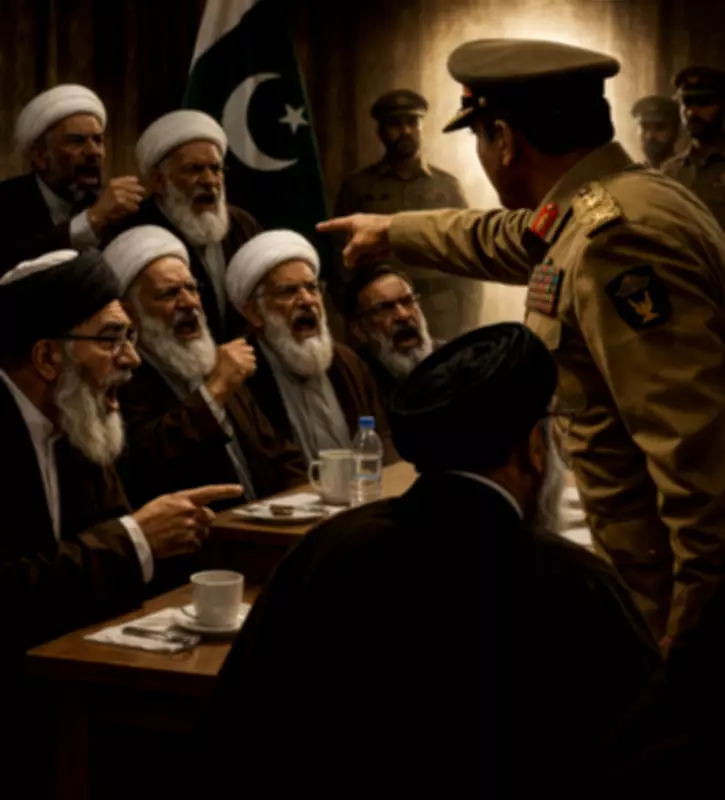
Pakistan Army Chief's 'Go to Iran' Remark Ignites Shia-Sunni Tensions
The recent killing of Ayatollah Ali Khamenei in a joint US–Israel operation has sent shockwaves through the Muslim world, particularly among Shia communities. In Pakistan, where Shias constitute a significant minority, the event triggered widespread protests that escalated into violence, resulting in at least 25 fatalities. This volatile situation has laid bare the deep-seated sectarian faultlines within the country.
Provocative Statement from Army Leadership
Amid the heightened tensions, Pakistan Army chief Field Marshal Asim Munir made a controversial statement that has further inflamed sentiments. During an interaction with Shia clerics, Munir suggested that those who "love Iran so much" should "go to Iran." This remark, perceived as dismissive and offensive, has been widely condemned by Shia leaders and community representatives.
The comment is seen as exacerbating existing Shia-Sunni divisions, with critics arguing it undermines national unity and marginalizes the Shia minority. The backlash highlights the sensitive nature of sectarian relations in Pakistan, where historical and political factors often influence inter-community dynamics.

Broader Implications for Regional Stability
The incident underscores the broader geopolitical tensions in the region, particularly involving Iran and its allies. The killing of Ayatollah Khamenei has not only sparked domestic unrest in Pakistan but also raised concerns about potential spillover effects on regional stability. Analysts note that such statements from high-ranking officials could fuel further sectarian strife and complicate diplomatic efforts.
As protests continue and community leaders call for accountability, the situation remains tense. The Pakistani government faces mounting pressure to address the grievances of Shia citizens and promote inter-sectarian harmony to prevent further violence.






