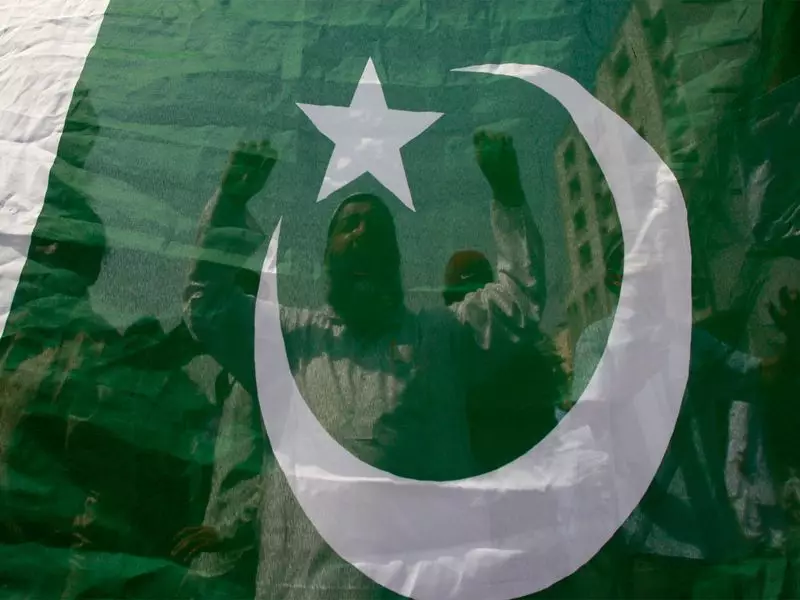
Pakistan Confronts Grave Allegations of Genocidal Policy in Balochistan
Pakistan stands accused of enacting a genocidal policy against the Baloch people, according to recent reports that have sparked international concern. These allegations highlight a pattern of systematic human rights violations in the troubled province of Balochistan, where the Baloch ethnic minority has long faced marginalization and oppression.
Systematic Human Rights Abuses and Forced Disappearances
The accusations center on what critics describe as a deliberate campaign by Pakistani authorities to suppress Baloch identity and autonomy. Reports detail numerous cases of forced disappearances, extrajudicial killings, and torture targeting Baloch activists, students, and political leaders. These actions are alleged to be part of a broader strategy to quell dissent and maintain control over the resource-rich region.
International observers and human rights organizations have documented these abuses, pointing to a consistent failure by the Pakistani government to hold perpetrators accountable. The situation has led to widespread fear and trauma within Baloch communities, with families often left in the dark about the fate of their missing loved ones.

Historical Context and Geopolitical Implications
Balochistan, Pakistan's largest province by area, has a history of separatist movements and conflicts with the central government. The region is strategically significant due to its natural resources, including natural gas and minerals, and its location along key trade routes like the China-Pakistan Economic Corridor (CPEC). This geopolitical importance has intensified tensions, as both local Baloch groups and external actors vie for influence.
The allegations of genocide come amid ongoing protests by Baloch families demanding justice for the disappeared. These protests have gained attention on social media and from international human rights bodies, putting pressure on Pakistan to address the crisis.
Pakistan's Response and Denials
Pakistani officials have consistently denied the allegations, framing the situation as a matter of national security and counter-terrorism. They argue that actions in Balochistan are necessary to combat insurgency and maintain stability. However, critics counter that such measures disproportionately target innocent civilians and violate fundamental human rights.
The international community, including the United Nations and various human rights groups, has called for independent investigations into the allegations. There are growing demands for Pakistan to uphold its obligations under international law and ensure the protection of all its citizens, regardless of ethnicity.
Impact on Regional Stability and Human Rights Discourse
These accusations have broader implications for regional stability and the global human rights landscape. If proven, they could lead to diplomatic repercussions for Pakistan and affect its relations with neighboring countries and international partners. The case also underscores the challenges of addressing ethnic conflicts and human rights abuses in complex geopolitical environments.
As the situation unfolds, it remains a critical issue for observers of South Asian politics and human rights advocacy. The need for transparency, accountability, and dialogue between the Pakistani government and Baloch representatives is increasingly urgent to prevent further escalation and suffering.