

Pakistan Steps Forward as Mediator in US-Iran-Israel Conflict Amid Escalating Hostilities
In a significant diplomatic development, Pakistan has announced its readiness to host negotiation talks between the United States, Iran, and Israel, following a month of intense military conflict marked by escalating violence and competing claims of ceasefire progress. The war, which began with US and Israeli strikes on Iran and spiraled into retaliatory attacks across the region, has resulted in over 3,000 fatalities and widespread disruption to global energy markets and key shipping routes.
Pakistan's Diplomatic Initiative and Regional Backing
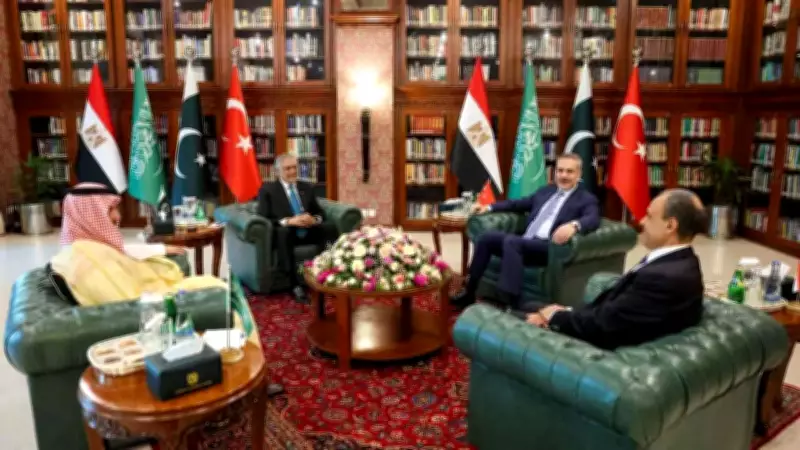
Foreign Minister Ishaq Dar stated that Pakistan is honored to facilitate meaningful talks between the adversaries, citing confidence expressed by both Iran and the US. This announcement came after meetings in Islamabad involving regional powers such as Turkey, Egypt, and Saudi Arabia, with Egypt's foreign minister indicating the effort aims to open direct dialogue between Washington and Tehran. However, official confirmation from the US or Iran remains pending, and it is unclear whether discussions will be direct or conducted through intermediaries.
Iran's Rejection and Military Threats
Despite Pakistan's mediation efforts, Iran has publicly dismissed the proposed talks as a cover for US military deployment. Parliament Speaker Mohammad Bagher Qalibaf accused the United States of sending mixed signals—negotiating while simultaneously preparing to deploy around 2,500 US Marines trained in amphibious landings in the Middle East. He warned that Iranian forces are ready to target US troops if deployed, adding that Tehran could retaliate against homes of US and Israeli officials in the region.

Trump's Claims of Progress and Regime Change
Speaking aboard Air Force One, former President Donald Trump struck an optimistic tone, claiming that Iran has agreed to allow 20 oil tankers through the Strait of Hormuz as a gesture of respect, with crossings expected to begin soon. He asserted that negotiations are advancing, with Iran responding positively to most points of a US ceasefire proposal. Trump also made controversial statements about regime change in Iran, suggesting that the conflict has reshaped leadership structures and that Supreme Leader Mojtaba Khamenei may be seriously wounded.
Intensifying Ground Conflict and Regional Expansion
On the battlefield, hostilities have worsened significantly. Israel has expanded military operations in Lebanon, with Prime Minister Benjamin Netanyahu planning to widen the invasion and establish a security buffer zone targeting Hezbollah. In Iran, Israeli airstrikes hit Tehran, dropping over 120 munitions on sites linked to weapons development and causing temporary power outages. The conflict has displaced over a million people in Lebanon, with civilians expressing fear and describing Israel as expansionist.
Additionally, Iranian-backed Houthi rebels have entered the fray, launching missiles and drones toward Israel and threatening shipping routes near the Red Sea, further complicating the regional security landscape.
Strait of Hormuz Tensions and Global Impact
The strategic Strait of Hormuz has become a critical flashpoint, with Iran's control over the passage rattling global oil and gas supplies. Disruptions have spread to air travel and fertilizer markets, though Iran has signaled limited de-escalation by allowing select vessels, including Pakistani-flagged ships, to pass through. Analysts view this as a diplomatic signal amid ongoing tensions, but the risk of further escalation remains high, especially with threats to the Bab el-Mandeb strait.
Diplomatic Divergence and Humanitarian Toll
Diplomatically, the US and Iran remain far apart. The US has proposed a 15-point ceasefire plan, but Iran has rejected it, instead floating a five-point proposal that includes halting the killing of Iranian officials, guarantees against future attacks, reparations, and recognition of Iran's sovereignty over the Strait of Hormuz. Iran has emphasized that it will not negotiate under coercion, requiring significant concessions from Washington.

The humanitarian crisis is deepening, with civilians across conflict zones facing relentless airstrikes, displacement, infrastructure damage, and shortages of essentials. Regional powers like the UAE have called for security guarantees and compensation for civilian infrastructure damage as part of any peace deal.
Cyber and Economic Fronts Expand the War
Beyond conventional warfare, the conflict is extending into cyber operations and economic fronts, with intensified digital attacks and sanctions straining global markets. As multiple actors engage and no clear breakthrough emerges, the situation remains fluid, with diplomacy and escalation unfolding simultaneously in a complex geopolitical landscape.





