

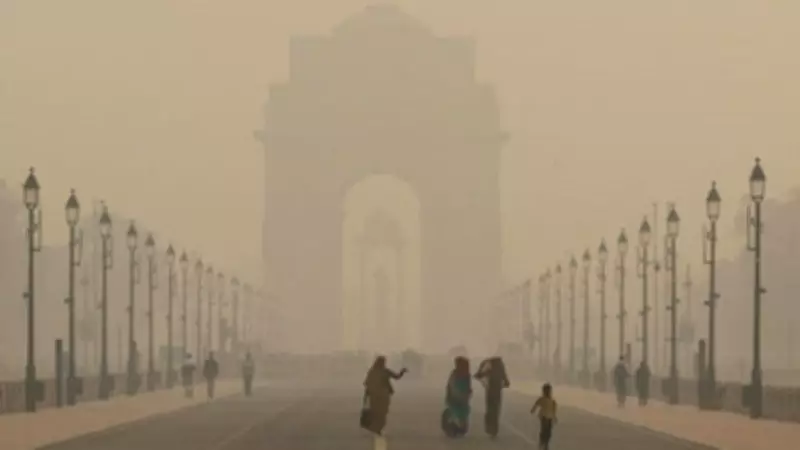
Global Air Quality Report Reveals Alarming Pollution Levels
A comprehensive new environmental study has identified Pakistan as the world's most polluted country, followed closely by Bangladesh, with India securing the sixth position in global air quality rankings. The detailed report, released on March 24, 2026, highlights a severe air pollution crisis affecting multiple nations across South Asia and beyond.
Country Rankings and Regional Impact
The findings place Pakistan at the top of the list for the worst air pollution levels worldwide, marking a significant environmental challenge for the nation. Bangladesh follows immediately after in second place, indicating a concentrated pollution hotspot in the South Asian region. India, while not in the top three, still ranks a concerning sixth globally, reflecting persistent air quality issues that affect millions of citizens.
Most Polluted Cities Worldwide
The report provides a detailed breakdown of urban air pollution, revealing that Loni in Uttar Pradesh, India, is currently the most polluted city on the planet. This alarming designation underscores the localized severity of pollution within specific Indian urban centers.

Following Loni, the city of Hotan in China claims the second spot for worst urban air quality, demonstrating that pollution challenges extend beyond South Asia. Byrnihat in Meghalaya, India, ranks third, indicating multiple Indian cities facing extreme pollution levels.
Delhi, India's capital territory, occupies the fourth position in the global city rankings, maintaining its reputation as one of the world's most polluted major urban areas. Faisalabad in Pakistan completes the top five most polluted cities, further emphasizing Pakistan's overall pollution leadership.
Environmental Implications and Public Health Concerns
These rankings highlight a critical global environmental crisis with direct implications for public health, economic productivity, and quality of life. The concentration of highly polluted cities in South Asia suggests regional factors contributing to deteriorating air quality, including industrial emissions, vehicular pollution, agricultural burning, and geographical conditions that trap pollutants.
The report serves as a stark reminder of the urgent need for coordinated international and national efforts to address air pollution through policy interventions, technological solutions, and public awareness campaigns. With multiple Indian cities appearing in the top rankings, the findings particularly emphasize the scale of the challenge facing India's environmental management systems.
As global attention increasingly focuses on climate change and environmental sustainability, this pollution ranking provides crucial data for policymakers, researchers, and citizens concerned about air quality and its profound impacts on human health and ecosystem stability.






