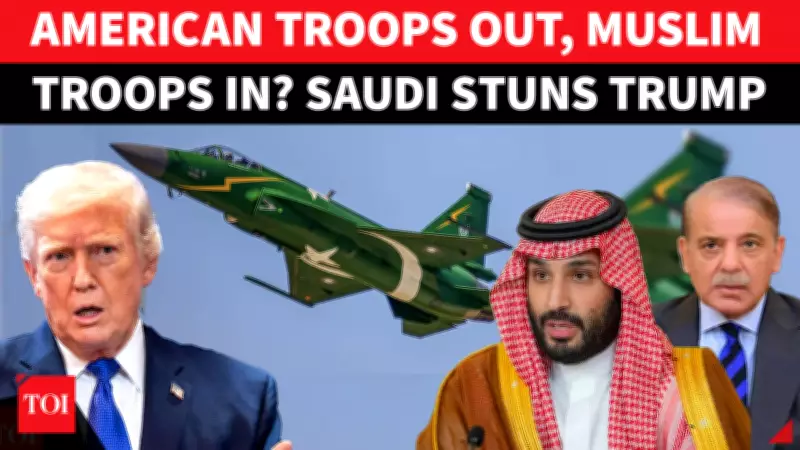
Pakistan Deploys Military Aircraft to Saudi Arabia Amid Escalating Regional Tensions
In a significant development against the backdrop of escalating conflict involving the United States, Iran, and various regional actors, Pakistan has dispatched fighter jets and support aircraft to Saudi Arabia. This deployment is part of a longstanding mutual defense pact between the two nations, a move that Riyadh has publicly hailed as a crucial step to bolster military readiness. The decision comes in response to repeated Iranian strikes targeting critical energy infrastructure in the region, which have heightened security concerns.
Confirmation of Deployment and Strategic Implications
The arrival of Pakistani warplanes at the King Abdulaziz Air Base in Saudi Arabia's Eastern Province was officially confirmed by the Saudi Ministry of Defence. This military reinforcement underscores the deepening defense cooperation between Pakistan and Saudi Arabia, as both countries navigate the volatile geopolitical landscape. Notably, this deployment coincides with Pakistan's recent role as a host for fragile peace talks between the United States and Iran, highlighting Islamabad's complex diplomatic positioning in the region.
The timing of this move raises important questions about the future of security arrangements in the Gulf region. With Iran's aggressive actions prompting a reassessment of defense strategies, other Gulf allies may be compelled to explore new or enhanced security umbrellas. This could involve forging stronger bilateral pacts, like the one between Pakistan and Saudi Arabia, or potentially revitalizing multilateral defense initiatives to counter common threats.

Broader Regional Security Dynamics
The deployment is not an isolated incident but part of a larger pattern of military posturing and diplomatic maneuvering in the Middle East. Recent events, such as failed peace talks and increased hostilities, have contributed to a climate of uncertainty. For instance:
- Iran's repeated strikes on energy assets have demonstrated its capability to disrupt regional stability, prompting defensive responses from neighboring states.
- The involvement of global powers like the United States adds another layer of complexity, with potential implications for international security and energy markets.
- Pakistan's dual role as a military ally to Saudi Arabia and a mediator in US-Iran talks illustrates the intricate balance of interests at play.
As tensions persist, the need for robust security frameworks becomes increasingly apparent. The Pakistani deployment serves as a tangible example of how nations are adapting to these challenges, potentially setting a precedent for other Gulf countries to follow suit in strengthening their defense postures.