

Pentagon Intelligence Report Contradicts US Officials on Iran's Military Strength
A fresh assessment conducted by the Pentagon's intelligence wing has concluded that Iran continues to maintain its key military capabilities, directly contradicting earlier assertions made by top United States officials. These officials had previously claimed that Tehran's forces had been significantly degraded, but the new findings paint a different picture of Iran's military resilience.
Challenging Public Statements from US Leadership
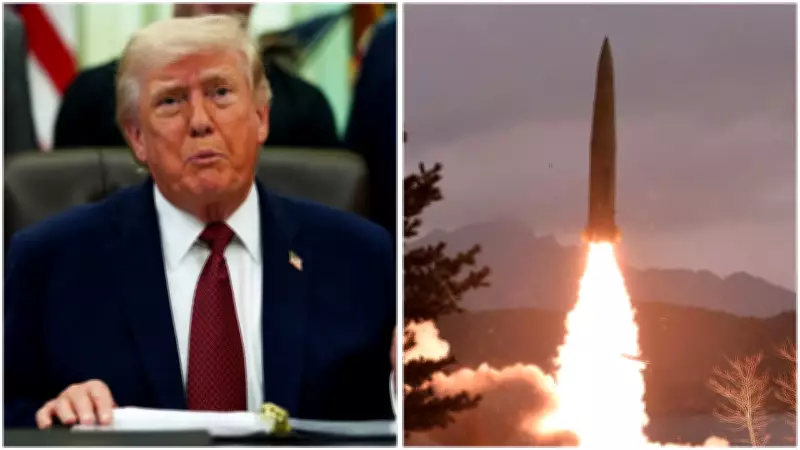
According to a report from NBC News, the intelligence assessment challenges statements issued by US President Donald Trump and US Secretary of War Pete Hegseth. Both had suggested that Iran's military had suffered irreversible damage, implying a weakened state. However, the Pentagon's analysis indicates that Iran remains a potent regional power, casting serious doubt on claims that its air force has been destroyed and its navy decimated.
This development underscores a growing gap between the administration's public messaging and its internal intelligence assessments. As tensions in the Middle East remain high, the discrepancy raises questions about the accuracy of official narratives regarding Iran's military status.

Ceasefire Extended Amid Ongoing Blockade
The intelligence report emerges as President Trump announced an indefinite extension of the ceasefire with Iran, just hours before its scheduled expiry. This decision followed a request from Pakistan's leadership, as detailed in a post on Truth Social by Trump. In his statement, Trump said the US had been asked to hold our Attack on the Country of Iran until such time as their leaders and representatives can come up with a unified proposal.
He further directed the military to continue the blockade of Iranian ports, targeting Tehran's key revenue channels, while insisting the move is essential to push for a negotiated deal. The truce will remain in place until negotiations conclude, maintaining a state of readiness for potential escalation.
Iran's Sharp Rejection and Warning of Escalation
Tehran reacted sharply to the ceasefire extension, dismissing it as meaningless. Mahdi Mohammadi, an adviser to Iran's parliament speaker, argued that the losing side cannot set the terms and warned that continuing the siege is no different from bombing, necessitating a military response.
Mohammadi suggested the extension could be a tactic to buy time for a surprise strike, highlighting the deep mistrust between the two nations. These latest tensions follow the collapse of earlier diplomatic efforts, including a 21-hour-long negotiation in Islamabad that ended without any breakthrough.
The situation remains volatile, with the Pentagon's intelligence report adding a layer of complexity to the ongoing standoff. As both sides posture, the risk of miscalculation and escalation persists in the region.






