Mounting Waste Crisis at High-Altitude Destinations
The growing menace of littering by tourists at some of Himachal Pradesh's most visited high-altitude destinations, including Rohtang Pass in Kullu district and Baralacha La in Lahaul and Spiti district, has become a major environmental concern. Every year, thousands of tourists flock to these scenic mountain destinations during summer and winter to experience the breathtaking Himalayas. However, many visitors leave behind plastic wrappers, bottles, food packaging, and other non-biodegradable waste, marring the pristine beauty of these ecologically sensitive regions and posing a serious threat to the local environment.
Despite repeated appeals by the district administrations of Kullu and Lahaul and Spiti, irresponsible littering continues. Visitors are regularly advised not to discard plastic waste at tourist sites and are urged to carry their trash back in designated bags or dispose of it only at authorised collection points.
Failing Initiatives and Growing Frustration
In a proactive initiative, the Lahaul and Spiti district administration distributed carry bags to tourists, requesting them to collect their waste and transport it back in their vehicles for proper disposal. However, the initiative has received a poor response, with heaps of plastic waste continuing to accumulate along roadsides and popular tourist spots.

The worsening situation has prompted residents, particularly the youth, to take matters into their own hands. Concerned about the deteriorating condition of the region's natural heritage, several youth groups have launched voluntary cleanliness drives to remove litter from these high-altitude destinations.
Local Youth Lead Cleanliness Drive at Baralacha La
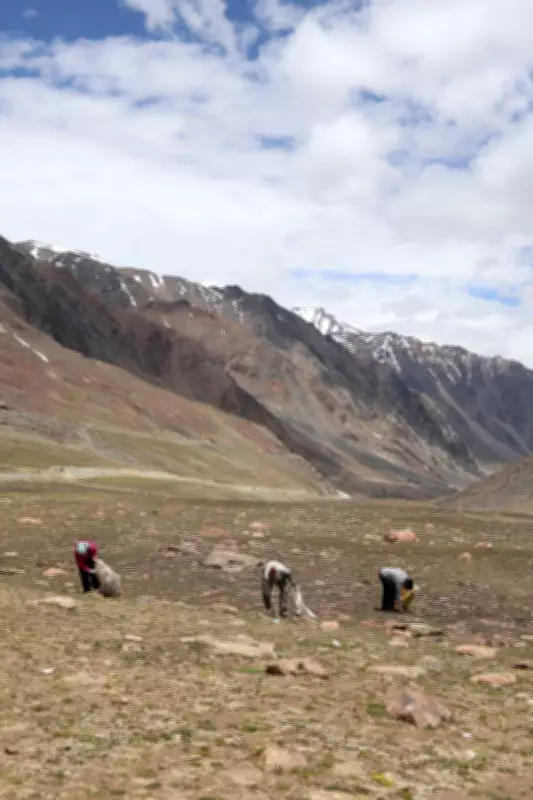
In the latest such initiative, the Youth Club of Darcha Panchayat in Lahaul and Spiti organised a cleanliness campaign at Baralacha La. Kishan Malpa, a member of the Youth Club, stated that volunteers collected scattered plastic waste, bottles, and wrappers in sacks before transporting them to designated disposal sites. "There was trash scattered at Baralacha La thrown by the visitors, which was a black spot on its scenic view," Malpa said. The club is planning to start the next round of cleanliness drive in the area to keep it neat and clean.
The campaign received widespread appreciation from locals, who described the growing piles of garbage as an eyesore that threatens both the beauty and ecological balance of the Himalayas. Tsewang Norboo, pradhan of Darcha Gram Panchayat, expressed disappointment over the irresponsible behaviour of some tourists. "It is unfortunate that visitors who come to admire the region's natural beauty leave behind waste that harms the fragile environment," Norboo said. He suggested that organisers of tourism-related activities should obtain prior permission from the local panchayat, enabling authorities to enforce stricter waste management measures and take action against violators. He also announced that the panchayat would soon launch a second phase of the cleanliness campaign to restore the area's natural beauty.
Forest Officer Calls for Collective Action
Inderjeet Singh, Divisional Forest Officer, Lahaul, voiced concern over the increasing problem of littering despite sustained awareness campaigns by the district administration. He stressed that protecting the Himalayas cannot be achieved through government efforts alone and called upon every citizen and visitor to adopt responsible tourism practices. "Preserving nature and safeguarding the fragile Himalayan ecology is a shared responsibility," Singh said, urging tourists to follow environmental guidelines, avoid littering, and leave the mountains as clean as they found them.
Environmental Groups Emphasize Shared Responsibility
Narender Saini, president of Devbhumi Paryavaran Rakshak Manch, said, "The Himalayas are among the world's most fragile ecosystems, and every plastic bottle or wrapper left behind remains there for years, polluting the environment. Responsible tourism means leaving nothing behind except footprints and taking back nothing except memories. Protecting these mountains is a shared responsibility of every visitor."

The situation at Baralacha La and similar destinations underscores the urgent need for stricter enforcement of waste management rules and greater public awareness. Without collective action, the pristine beauty of the Himalayas may be irreversibly damaged by the very tourists who come to admire it.