Poland Implements Ban on Chinese-Made Vehicles at Military Installations
In a significant security move, Poland has officially banned Chinese-manufactured cars from entering the country's military facilities. The decision, announced by the Chief of the General Staff of the Polish Armed Forces, aims to reduce the risk of "uncontrolled acquisition and use of data by these systems." This action follows a comprehensive risk analysis conducted in response to the increasing integration of digital systems in modern vehicles.
Security Measures and Official Restrictions
The Polish army detailed the new regulations in a blog post, explaining that the restrictions extend beyond just passenger cars. According to Colonel Marek Pietrzak, the ban also applies to other motor vehicles equipped with devices capable of recording position, image, or sound. Such vehicles will only be permitted within protected areas of military installations if specific functions are disabled and appropriate preventive measures are implemented in accordance with facility security protocols.
Commanders, chiefs, and unit leaders have been instructed to provide alternative parking spaces for restricted vehicles outside military units whenever possible. However, the army clarified that these rules will not apply to military facilities open to the public, including clinics, hospitals, libraries, prosecutors' offices, and garrison clubs.

Exemptions and Operational Considerations
Official vehicles and military equipment belonging to the Polish Armed Forces are exempt from these restrictions. Additionally, the ban will not be enforced during rescue operations or activities carried out by state and local government bodies, services, inspections, and guards as part of their statutory duties. This nuanced approach ensures operational flexibility while maintaining security standards.
In a parallel measure, Poland has also prohibited government workers from "connecting official phones to infotainment systems in motor vehicles manufactured in the People's Republic of China." This complementary restriction further strengthens data protection protocols across government operations.
Broader Security Context and International Alignment
Colonel Pietrzak emphasized that modern vehicles equipped with advanced communication systems and sensors can collect and transmit substantial amounts of data, necessitating appropriate security regulations for their use in protected areas. He noted that these measures are preventive and consistent with practices used by NATO countries and other allies to ensure robust standards for defense infrastructure protection.
The Chief of the General Staff has requested that superiors take steps to establish appropriate legal and technical conditions enabling manufacturers of vehicles with advanced monitoring systems to obtain information security approval. The goal is to introduce transparent, non-discriminatory mechanisms for verifying vehicle safety on the Polish market while meeting requirements to protect sensitive infrastructure.
Economic Context and Trade Relations
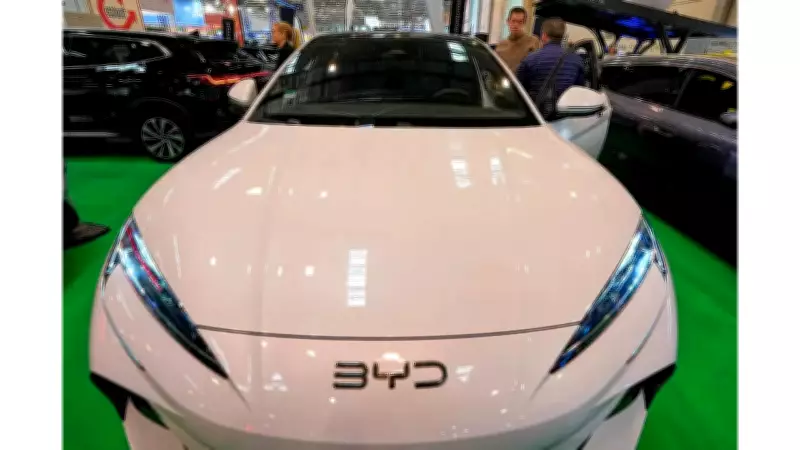
Despite these security measures, NATO member Poland continues to maintain trade ties with China. Chinese auto manufacturers have seen significant success in the Polish market, with SAIC Motor Corp.'s MG brand, Chery Automobile Co.'s models, and BYD Co. leading sales among Chinese automakers in the country. This creates an interesting dynamic where security concerns intersect with economic relationships.
The Polish army's blog post highlighted that these steps represent part of a larger process of modifying security protocols to adapt to the evolving technological landscape and contemporary demands for safeguarding vital infrastructure. As digital systems become increasingly integrated into everyday vehicles, nations worldwide are grappling with similar security challenges, making Poland's approach a noteworthy case study in balancing technological advancement with national security imperatives.