Pollen Grains Hold Clues to India's Climate History
Researchers have uncovered a fascinating method to study India's climatic past. They examine tiny pollen grains preserved in ancient sediments. These grains act as natural archives. They record environmental conditions from thousands of years ago.
How Pollen Reveals Climate Secrets
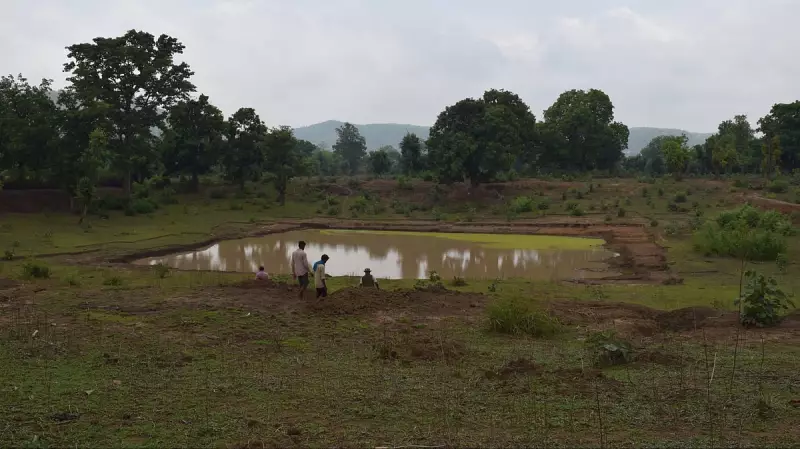
Pollen grains come from various plants. Different plants thrive under specific climatic conditions. Scientists collect sediment samples from lakes, bogs, and other sites across India. They extract and identify the pollen types present. This identification helps them infer past temperatures, rainfall levels, and vegetation patterns.
For example, the presence of certain pollen types indicates wetter periods. Other types suggest drier climates. By analyzing layers of sediment, researchers can create a timeline of climatic changes. This timeline spans centuries or even millennia.

Key Findings from Indian Studies
Recent studies in India have yielded significant insights. Pollen analysis shows shifts in monsoon patterns over time. It reveals periods of intense rainfall and prolonged droughts. These findings help scientists understand natural climate variability.
Researchers compare past data with current climate models. This comparison improves predictions for future climate scenarios. It also aids in assessing human impact on the environment.
Importance of This Research
Understanding India's climatic history is crucial for several reasons:
- Agricultural Planning: Historical climate data informs crop selection and water management strategies.
- Disaster Preparedness: Insights into past extreme weather events help in preparing for future disasters.
- Conservation Efforts: Knowledge of historical vegetation guides biodiversity conservation.
- Climate Change Mitigation: Data from pollen studies supports global efforts to combat climate change.
Scientists continue to explore new sites across India. They aim to build a comprehensive picture of the subcontinent's climatic evolution. This research bridges the gap between ancient history and modern science.
Pollen grains may seem insignificant. Yet, they hold powerful keys to unlocking India's environmental story. Their study offers a window into how climate has shaped the land and its people over ages.