

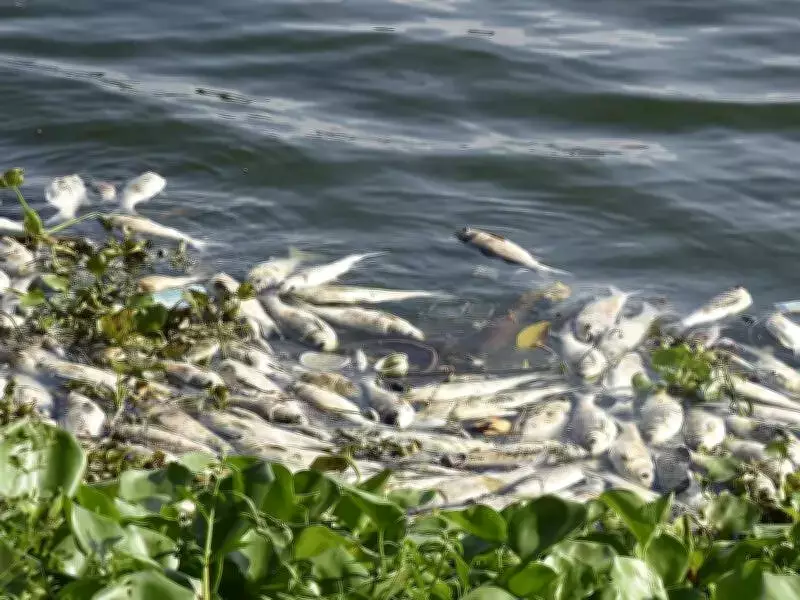
Lab Analysis Confirms Pollution and Bacterial Infection Behind Satluj River Fish Kill
High pollution levels combined with a dangerous bacterial infection have been identified as the primary causes behind the large-scale fish deaths reported earlier this month along the Satluj River in Ferozepur, Punjab. This critical finding comes from a comprehensive laboratory analysis of water and fish samples conducted by environmental experts.
Scientific Evidence Points to Environmental Crisis
The detailed report, released by the pro-environment organization Water Warriors Punjab, presents alarming evidence of severe river contamination. Laboratory tests revealed elevated biochemical oxygen demand (BOD) and dangerously high ammonia levels in the river water where the dead fish were discovered. These parameters serve as clear indicators of severe pollution that creates lethal conditions for aquatic life.
Further examination of the deceased fish specimens uncovered the presence of two pathogenic bacterial strains: Aeromonas hydrophila and Aeromonas veronii. These bacteria are particularly concerning because they thrive in oxygen-depleted environments, exactly the conditions created by the pollution found in the Satluj River.

Timeline and Location of the Environmental Incident
The mass fish mortality event occurred on April 2 along the banks of the Satluj River near Gatta Badshah village. This location holds particular environmental significance as it sits close to the Harike headworks, where the Beas and Satluj rivers converge. The confluence area represents a critical ecological zone that has now been compromised by pollution.
Water Warriors Punjab collected samples from the affected area and submitted them for professional analysis at the College of Fisheries, which operates under Guru Angad Dev Veterinary and Animal Sciences University (GADVASU). An official from the institute confirmed the validity of the report's findings, though they declined to provide additional commentary on the specific details.
Expert Analysis and Environmental Warnings
Environmental scientists examining the data have expressed grave concern about the combination of factors discovered. The simultaneous presence of high ammonia concentrations, critically low dissolved oxygen levels, and pathogenic bacteria creates a perfect storm of lethal conditions for aquatic organisms. Experts emphasize that this combination points directly to worsening pollution levels throughout the Satluj River system.
Environmental activists have attributed this deterioration to the continuous discharge of untreated industrial waste and effluents into the river. Representatives from Water Warriors Punjab, including environmental activists Manjeet Singh and Simranjeet Singh, issued a stark warning about the implications of their findings.
"The high ammonia content and critically low oxygen levels clearly demonstrate that pollution in the Satluj has reached deadly proportions," the activists stated. "Our water bodies are being systematically destroyed by untreated industrial waste. This transcends being merely an environmental concern—it represents a direct threat to the entire aquatic ecosystem, regional biodiversity, and the livelihoods of countless communities that depend on the river for their survival."
Recurring Problem and Systemic Failures
This incident represents the latest in a series of recurring fish death events reported in the Harike region. Environmental advocates have repeatedly pointed to polluted discharges, including those from tributaries such as the Buddha Dariya in Ludhiana, as the primary culprits behind these ecological disasters.
Water Warriors Punjab has announced plans to formally submit their comprehensive report to multiple authorities, including the wildlife department, World Wide Fund for Nature, and the Punjab Pollution Control Board (PPCB). The organization intends to demand immediate action against polluting entities and stricter enforcement of existing effluent discharge regulations.

Broader Implications and Call to Action
Environmental experts warn that these repeated fish mortality events signal a systemic failure in monitoring industrial and municipal discharge throughout the region. The pattern of contamination suggests inadequate regulatory oversight and enforcement mechanisms that allow polluters to continue damaging vital water resources.
The environmental community is calling for urgent intervention from regulatory bodies and government agencies to prevent further damage to the Satluj River ecosystem. Without immediate and decisive action, they warn, the river's ecological health will continue to deteriorate, with potentially irreversible consequences for both the environment and human communities that depend on this vital water source.





