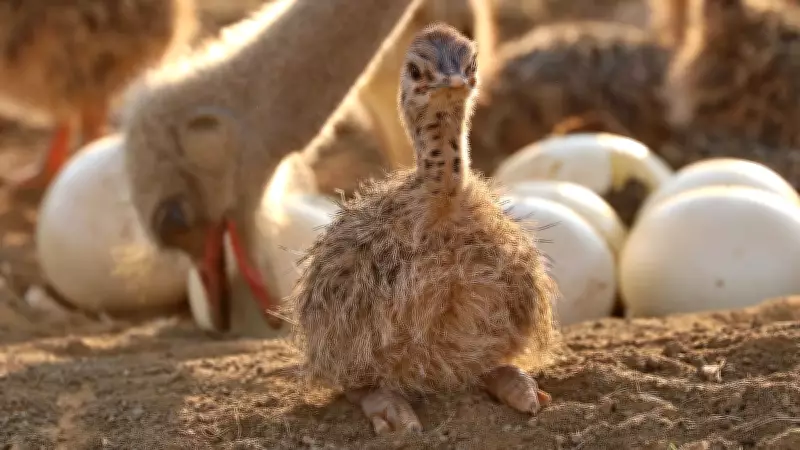
Scientists are turning to unconventional sources to unlock the secrets of Earth's ancient climate. From fossilized feces to stomach oil and ostrich eggshells, these unusual materials are providing valuable insights into how the planet's climate has changed over millennia.
Innovative Research Methods
Researchers like Dr. McClymont are at the forefront of this innovative approach. By analyzing obscure features of the past, they are able to reconstruct environmental conditions that existed tens of thousands of years ago. One particular focus of Dr. McClymont's work is understanding how the Antarctic environment has evolved over long timescales.
Why Unusual Materials Matter
Traditional climate records, such as ice cores and sediment layers, have limitations. They may not cover all regions or time periods. To fill these gaps, scientists turn to alternative archives. Fossilized feces, or coprolites, contain chemical signatures that reveal the diet and environment of ancient animals. Stomach oil from seabirds, preserved in sediment, can indicate past ocean temperatures and productivity. Ostrich eggshells, which are abundant in some regions, provide a record of rainfall and vegetation changes.

Antarctic Climate History
Dr. McClymont's research specifically targets the Antarctic region, which plays a crucial role in global climate regulation. By studying these unusual materials, she and her team have been able to piece together a more detailed picture of how Antarctic ice sheets have advanced and retreated over time. This helps improve models that predict future sea-level rise.
Broader Implications
Understanding Earth's ancient climate is not just an academic exercise. It provides critical context for current climate change and helps scientists make more accurate predictions about future scenarios. The use of unconventional materials expands the toolkit available to paleoclimatologists, allowing them to explore new frontiers in climate science.
As research continues, these unusual records will likely yield even more surprises, deepening our understanding of the planet's dynamic climate system.