

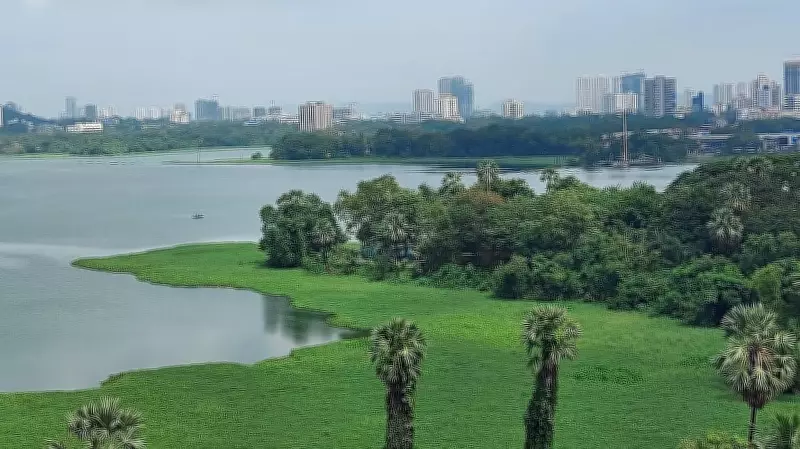
Mumbai's Powai Lake Clean-Up Sparks Tree Removal Concerns Among Environmentalists
The ongoing rejuvenation project at Powai Lake in Mumbai has ignited significant environmental concerns, with reports indicating that over 100 trees are slated for removal as part of the clean-up efforts. This development has sparked a heated debate between the push for urban development and the urgent need for ecological conservation in one of the city's most iconic water bodies.
Details of the Powai Lake Rejuvenation Project
The clean-up initiative, led by the Brihanmumbai Municipal Corporation (BMC), aims to restore Powai Lake by addressing issues such as siltation, pollution, and encroachment. The project involves extensive dredging and desilting operations to improve water quality and capacity, which are critical for the lake's sustainability and the surrounding ecosystem.
However, environmentalists and local residents have raised alarms over the planned removal of trees, arguing that it could lead to habitat loss, increased soil erosion, and a negative impact on air quality. The trees in question are primarily located along the lake's periphery, where construction activities are set to take place.

Environmental Impact and Community Response
Concerns have been voiced by various environmental groups, who emphasize that tree removal contradicts the principles of sustainable development. They point out that Powai Lake is not only a recreational spot but also a vital habitat for numerous bird species and other wildlife. The loss of trees could disrupt these ecosystems and reduce biodiversity in the area.
Local residents have joined the outcry, organizing protests and petitions to halt the tree removal. They argue that alternative methods, such as transplanting trees or adjusting the project design, should be explored to minimize environmental damage. The community's involvement highlights the growing public awareness and activism around urban environmental issues in Mumbai.
Official Stance and Mitigation Measures
In response to the backlash, BMC officials have stated that the tree removal is necessary for the successful implementation of the rejuvenation project. They assure that mitigation measures, including compensatory afforestation and the planting of new saplings, will be undertaken to offset the environmental impact.
Authorities have also highlighted the long-term benefits of the clean-up, such as improved water storage, reduced flooding risks, and enhanced recreational facilities for the public. The project is part of a broader effort to address Mumbai's water management challenges and promote sustainable urban growth.
Broader Implications for Urban Development
This controversy at Powai Lake reflects a larger trend in Indian cities, where rapid urbanization often clashes with environmental conservation. It underscores the need for balanced approaches that integrate development goals with ecological safeguards.
Experts suggest that such projects should involve more transparent planning and stakeholder engagement to ensure that environmental concerns are adequately addressed. The Powai Lake case serves as a reminder of the delicate balance required in managing urban natural resources.
As the clean-up progresses, all eyes will be on how authorities navigate these challenges, setting a precedent for future environmental initiatives in Mumbai and beyond.






