

Protests Force Government to Set Timeline on Diamer Bhasha Dam Dispute
In a significant development, widespread public protests have compelled the government to establish a definitive timeline for addressing the contentious Diamer Bhasha Dam dispute. This move comes after sustained demonstrations by local communities and activists, who have long voiced concerns over the project's impact on land, resources, and livelihoods in the region.
Background of the Diamer Bhasha Dam Project
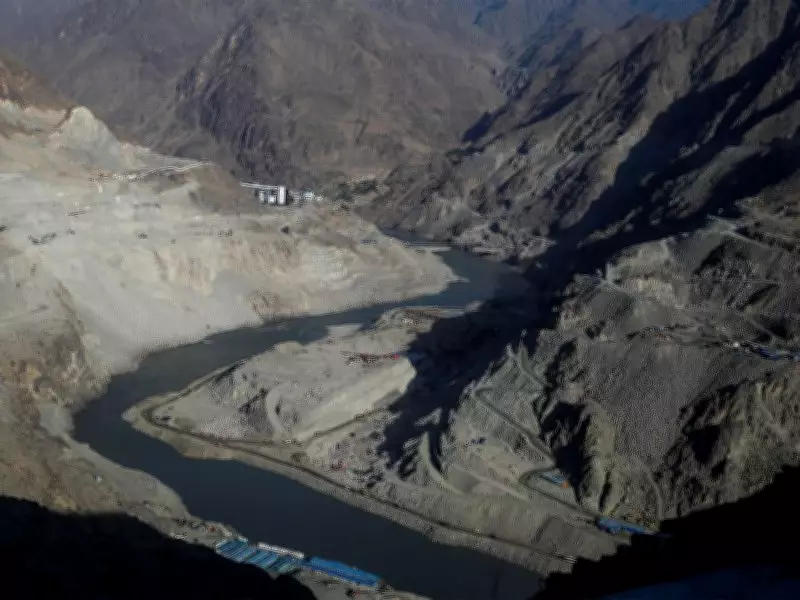
The Diamer Bhasha Dam, a major hydroelectric and water storage initiative in Pakistan, has been a subject of controversy for years. Located in the Gilgit-Baltistan region, the dam aims to enhance water security and generate electricity, but it has faced opposition from residents over issues such as displacement, environmental damage, and inadequate compensation. The project's complexity has led to prolonged delays and escalating tensions between authorities and affected populations.
Impact of Recent Protests
Recent protests have intensified, with demonstrators demanding swift action to resolve the dispute. These protests, characterized by large gatherings and vocal advocacy, have highlighted the urgency of the situation. The government's response to set a timeline marks a pivotal shift, acknowledging the need for transparency and accountability in handling the matter. Officials have indicated that this timeline will include specific milestones for negotiations, compensation distribution, and environmental assessments, aiming to address all stakeholder concerns comprehensively.

Government's Commitment and Future Steps
In response to the protests, government representatives have pledged to adhere to the newly established timeline, emphasizing their commitment to finding a fair and sustainable resolution. This development is seen as a crucial step toward mitigating conflicts and ensuring the project's progress without further social unrest. The timeline is expected to involve regular updates and consultations with local communities, fostering a more inclusive approach to infrastructure development.
Broader Implications for Regional Development
The resolution of the Diamer Bhasha Dam dispute could set a precedent for how large-scale projects are managed in Pakistan and similar contexts globally. By setting a clear timeline, the government aims to balance developmental goals with social justice, potentially reducing future protests and enhancing public trust. This case underscores the importance of community engagement in major initiatives, highlighting how grassroots movements can influence policy and drive meaningful change.






