When Rain, Not Wind, Kills: The New Cyclone Threat
In a significant shift that is reshaping our understanding of tropical cyclones, scientists are now highlighting a new and deadly trend: the increasing dominance of rainfall over wind as the primary cause of fatalities and destruction. This emerging pattern, driven largely by climate change, is forcing a reevaluation of traditional disaster preparedness and response strategies worldwide.
The Changing Face of Cyclonic Hazards
Historically, cyclones have been synonymous with ferocious winds, storm surges, and coastal devastation. However, recent data and research indicate a troubling transformation. Modern cyclones are increasingly characterized by prolonged and intense rainfall, leading to catastrophic flooding, landslides, and inland damage that often surpasses the impact of high winds. This shift is not merely anecdotal; it is backed by mounting scientific evidence linking it to global warming and altered atmospheric conditions.
Why Rainfall Is Becoming the Deadlier Force
The primary driver behind this change is the warming of ocean surfaces due to climate change. Warmer oceans provide more moisture and energy to cyclones, enabling them to hold and release unprecedented amounts of rainfall over extended periods. Key factors contributing to this phenomenon include:

- Increased Atmospheric Moisture: Higher temperatures allow the air to hold more water vapor, leading to heavier precipitation during cyclonic events.
- Slower Storm Movement: Some cyclones are stalling or moving more slowly, allowing them to dump rain over the same areas for longer durations, exacerbating flood risks.
- Altered Storm Tracks: Changes in atmospheric patterns are causing cyclones to impact regions less accustomed to such events, where infrastructure and communities are ill-prepared for extreme rainfall.
Real-World Impacts and Case Studies
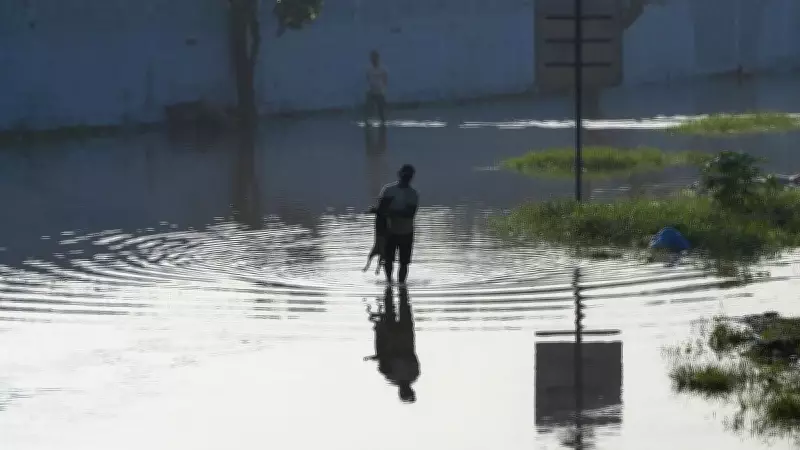
This trend has already manifested in several devastating events globally. For instance, cyclones in recent years have caused record-breaking floods in areas previously considered low-risk for such disasters. The aftermath often includes widespread displacement, economic losses from damaged crops and infrastructure, and a higher death toll from drowning and waterborne diseases compared to wind-related injuries. These incidents underscore the urgent need to adapt disaster management frameworks to prioritize flood mitigation and inland safety measures.
Challenges for Disaster Management and Preparedness
The shift toward rain-dominant cyclones presents unique challenges for authorities and communities. Traditional warning systems and evacuation plans, which often focus on coastal wind and storm surge threats, may be inadequate for addressing inland flooding risks. To effectively combat this new threat, experts recommend:
- Enhanced Forecasting: Investing in advanced meteorological tools to better predict rainfall patterns and flood potential during cyclones.
- Infrastructure Resilience: Upgrading drainage systems, building flood barriers, and implementing land-use planning that accounts for increased precipitation.
- Public Awareness Campaigns: Educating communities about the dangers of cyclone-induced flooding and promoting preparedness actions specific to heavy rainfall.
The Role of Climate Change and Future Outlook
Climate change is a central factor in this evolving cyclone dynamic, with projections indicating that rain-dominant events will become more frequent and severe as global temperatures rise. This underscores the importance of integrating climate adaptation into disaster risk reduction strategies. Policymakers, scientists, and emergency responders must collaborate to develop holistic approaches that address both wind and rainfall hazards, ensuring that communities are safeguarded against the full spectrum of cyclone threats.
In conclusion, the paradigm of cyclones as primarily wind-driven disasters is shifting. As rainfall emerges as the new killer in these storms, proactive measures and innovative solutions are essential to mitigate risks and protect vulnerable populations in an era of climate uncertainty.