

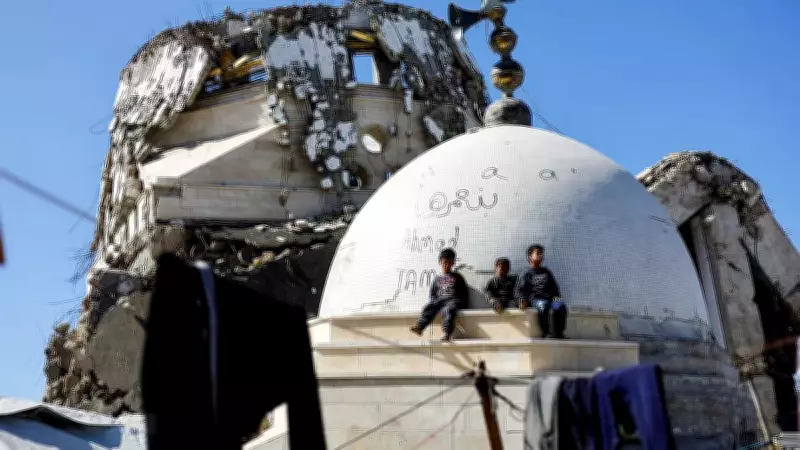
Ramadan Begins in Gaza Amid Devastation of Shattered Mosques
The holy month of Ramadan has commenced in Gaza, but this year's observance is marked by profound devastation as displaced Palestinians gather amidst the ruins of shattered mosques and widespread destruction. The solemn beginning comes against the backdrop of ongoing conflict that has transformed sacred spaces into symbols of loss.
Conflict Background and Current Situation
Israel launched its comprehensive air and ground military campaign in Gaza following a Hamas-led cross-border attack on October 7, 2023. According to official Israeli tallies, this initial assault resulted in approximately 1,200 casualties. The subsequent war has created a landscape of destruction throughout the Gaza Strip, with religious and civilian infrastructure bearing significant damage.
The visual evidence of this devastation is particularly striking during Ramadan, a time when mosques traditionally serve as centers of community gathering and spiritual reflection. Instead, many Palestinians now find themselves observing the holy month surrounded by rubble and temporary shelters.

Scenes of Displacement and Resilience
Photographic documentation reveals displaced Palestinian women standing at tent camps that have emerged around the remains of destroyed mosques. These images capture the harsh reality of observing Ramadan without access to intact places of worship, with families living in temporary accommodations adjacent to religious ruins.
The emotional toll is palpable among community members, with many expressing difficulty confronting the transformed landscape. The juxtaposition of Ramadan's spiritual significance against the physical destruction creates a particularly poignant moment for Gaza's residents.
Broader Implications and Observances
This Ramadan represents more than just religious observance for Gaza's population. It serves as:
- A testament to resilience in the face of ongoing conflict
- A reminder of the extensive infrastructure damage sustained during hostilities
- An illustration of how religious practices adapt to extreme circumstances
- A focal point for international attention on the humanitarian situation
The beginning of Ramadan typically marks a period of increased community gathering and religious devotion. However, in Gaza's current reality, these observances must accommodate the physical limitations imposed by widespread destruction and displacement.
Looking Forward
As Ramadan progresses, the situation in Gaza continues to draw international attention. The contrast between the holy month's traditional practices and the current conditions highlights both the immediate humanitarian concerns and the longer-term challenges of reconstruction and recovery.
The resilience demonstrated by Palestinians observing Ramadan amidst ruins speaks to the enduring significance of religious traditions even in the most challenging circumstances, while simultaneously underscoring the profound impact of ongoing conflict on civilian life and cultural heritage.






