Ratnagiri District Launches India's First Integrated Climate Action and Development Blueprint
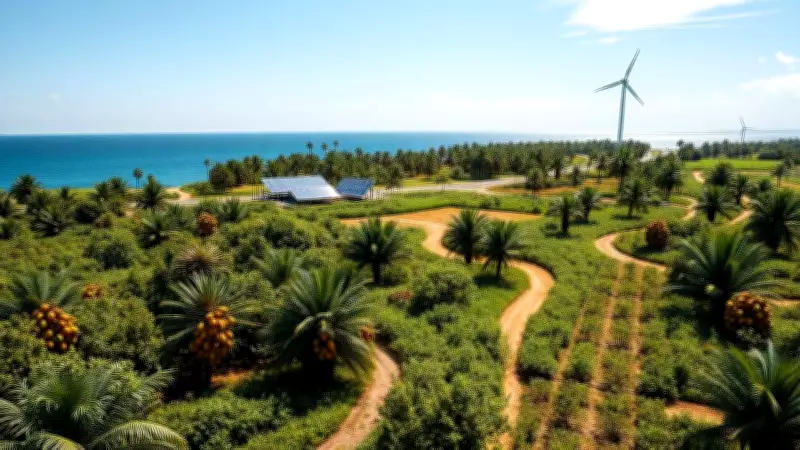
In a landmark initiative, Ratnagiri district in Maharashtra unveiled a pioneering District Development-cum-Climate Action Plan on Tuesday, marking the first time in India that a district has placed actionable climate-resilient measures at the core of its growth strategy. This comprehensive plan focuses on renewable energy deployment, climate-proof infrastructure, and strengthening agricultural and fisheries value chains to safeguard livelihoods and unlock new economic opportunities.
Strategic Interventions for Coastal Resilience
Prepared by the International Forum for Environment, Sustainability & Technology (iFOREST) under a memorandum of understanding with the state's department of environment and climate change, the plan outlines sector-specific interventions tailored to Ratnagiri's unique coastal challenges. Key measures include the large-scale deployment of solar pumps, renewable-powered cold chains, and clean energy systems to support the district's critical agriculture and fisheries sectors.
The blueprint emphasizes expanding climate-resilient agricultural practices, micro-irrigation, and post-harvest infrastructure for horticulture crops such as mango and coconut, which form the backbone of Ratnagiri's rural economy. Additionally, it calls for climate-proofing roads, bridges, public buildings, and coastal infrastructure through improved drainage systems and resilient design standards. This is particularly urgent given projections of rising temperatures, extreme rainfall, and increasing flood and landslide risks, with nearly one-third of the district's villages expected to face higher flood risks by 2050 and 167 villages located in landslide-prone zones.

Renewable Energy as a Growth Lever
Renewable energy development is identified as a major growth lever in the plan, with Ratnagiri's estimated potential at nearly 19 gigawatts across solar, wind, rooftop, and floating solar systems. This creates significant scope for decentralized energy generation and green job creation. The plan recommends building green skills among youth to tap into emerging clean-technology and climate-linked livelihood opportunities, positioning the district as a leader in sustainable economic transformation.
Institutional Framework for Implementation
Institutionally, the blueprint proposes establishing a dedicated district climate cell within the administration to integrate climate priorities into annual planning and budgeting across all departments. A district climate finance platform has also been recommended to facilitate the convergence of government schemes and mobilize investments for climate-resilient projects, ensuring efficient resource allocation and oversight.
The plan was officially released by district collector and magistrate Manuj Jindal at a meeting attended by district officials, panchayati raj representatives, women's self-help groups, farmer cooperatives, and civil society organizations. "As a coastal district within the eco-sensitive zones of the Sahyadri mountains, Ratnagiri must prepare for climate risks that will directly impact local lives and livelihoods," Jindal stated, highlighting the need to strengthen fisheries through improved cold storage, electric boats, and resilient infrastructure to enhance economic output and sustainable employment.
Srestha Banerjee, director of just transition and climate change at iFOREST, emphasized that integrating climate action with district planning will help streamline administrative oversight and converge financial resources for effective implementation, setting a precedent for other districts across India to follow.