Preventing the next pandemic requires recognising that the health of people, animals, and the environment is inseparably connected, writes Sonu Mahesh in a compelling opinion piece. The COVID-19 pandemic has underscored the urgent need for a holistic approach to health, one that integrates human, animal, and environmental well-being.
The Interconnectedness of Health
The concept of One Health is not new, but the pandemic has brought it into sharp focus. Zoonotic diseases, which jump from animals to humans, account for 60% of all infectious diseases. The World Health Organization estimates that 75% of emerging infectious diseases originate in animals. This includes COVID-19, which likely originated in bats. The destruction of natural habitats and wildlife trade are key drivers of zoonotic spillover.
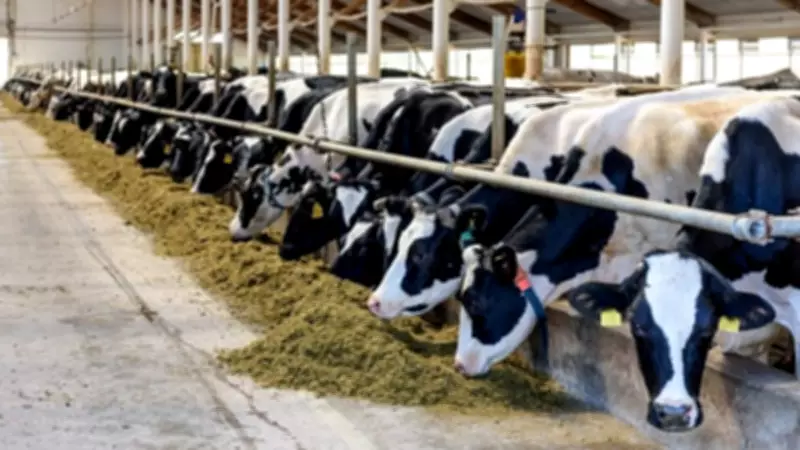
According to the article, recognising animal rights is not just an ethical imperative but a practical one. When animals are treated with respect and their habitats preserved, the risk of disease transmission decreases. The author argues that industrial farming, deforestation, and illegal wildlife trafficking create conditions ripe for pandemics. By contrast, protecting biodiversity and animal welfare can build resilience against future outbreaks.

Resilience Through Rights
Sonu Mahesh emphasises that resilience is built through systemic change. This means shifting from a reactive approach to a preventive one. For instance, the global response to COVID-19 cost trillions of dollars, while investing in pandemic prevention would cost a fraction of that. The World Bank has estimated that the annual cost of preventing pandemics through measures like surveillance and habitat protection could be as low as $22 billion.
The article calls for stronger international cooperation and legal frameworks to protect animals and ecosystems. This includes enforcing bans on wildlife markets, regulating factory farming, and promoting sustainable land use. The author notes that many countries already have laws protecting endangered species, but enforcement is weak. Strengthening these laws and ensuring compliance can reduce the risk of zoonotic diseases.
A Call to Action
The piece concludes with a call to action for governments, businesses, and individuals. It urges a shift in mindset from dominating nature to coexisting with it. As the author states, "The health of humanity depends on the health of the planet and all its inhabitants." The time to act is now, before the next pandemic strikes.