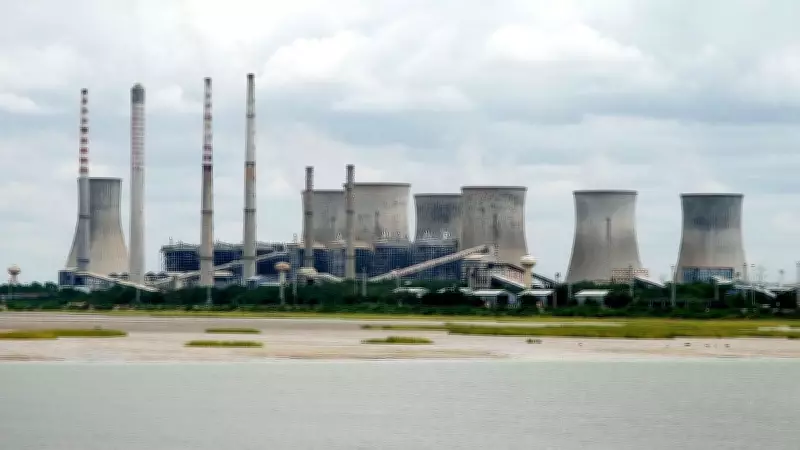
Karnataka's Raichur Thermal Power Station Confronts Massive Rs 76 Crore Pollution Penalty
The Central Pollution Control Board (CPCB) has taken decisive action against the Raichur Thermal Power Station (RTPS) in Karnataka, issuing a formal show-cause notice that proposes a staggering environmental penalty of up to Rs 76.62 crore. This substantial fine targets the power plant for significant violations related to both air and water pollution standards, marking a critical enforcement move by India's premier pollution regulatory authority.
Details of the CPCB's Enforcement Action
According to official documents, the CPCB has formally demanded that RTPS management provide a compelling explanation as to why the proposed penalty should not be imposed. The notice specifically cites multiple environmental breaches that have contributed to deteriorating air quality and water contamination in the surrounding region. The Rs 76.62 crore figure represents one of the most substantial pollution-related fines recently proposed for an industrial facility in southern India.
The regulatory action underscores growing concerns about industrial compliance with environmental norms in Karnataka's power generation sector. Thermal power plants, while essential for energy production, are frequently scrutinized for their environmental impact, particularly regarding emissions and wastewater discharge.

Environmental Implications and Regulatory Context
This enforcement measure by the CPCB highlights several critical environmental issues:
- Air Pollution Violations: The plant has allegedly failed to maintain acceptable emission levels, contributing to particulate matter and gaseous pollutants in the atmosphere.
- Water Contamination Concerns: Discharge from the facility has reportedly exceeded permissible limits for various contaminants, affecting local water resources.
- Regulatory Compliance Failure: The notice suggests RTPS has not adequately implemented required pollution control measures despite previous warnings or guidelines.
The proposed penalty follows comprehensive monitoring and assessment by CPCB officials, who have documented specific environmental parameters where the plant's operations have fallen short of mandated standards. This action aligns with broader national efforts to strengthen environmental accountability for industrial operations, particularly in energy-intensive sectors.
Broader Impact on Karnataka's Industrial Landscape
The case against RTPS serves as a potent reminder to other industrial operators in Karnataka about the serious consequences of environmental non-compliance. With increasing public awareness and regulatory scrutiny, pollution control has become a non-negotiable aspect of industrial operations across India.
- The penalty notice may prompt other thermal plants in the region to review and enhance their pollution mitigation systems.
- Local communities and environmental groups have long raised concerns about industrial pollution in the Raichur area, making this regulatory action particularly significant.
- The financial magnitude of the proposed fine—Rs 76.62 crore—demonstrates the CPCB's commitment to using economic disincentives to drive environmental compliance.
As RTPS prepares its response to the show-cause notice, the outcome of this case could establish important precedents for how India's pollution control authorities handle similar violations by large-scale industrial facilities in the future. The power plant now faces both immediate financial implications and longer-term operational adjustments to meet environmental standards.