Odisha Moves to Designate Rushikulya River Mouth as Biodiversity Heritage Site
The Odisha government is on the verge of declaring the Rushikulya river mouth, renowned as a mass nesting area for the endangered Olive Ridley turtles in Ganjam district, as a Biodiversity Heritage Site (BHS). This significant step follows the written consent from two key panchayats with jurisdiction over the area, marking a collaborative effort in environmental conservation.
Local Consent and Community Involvement
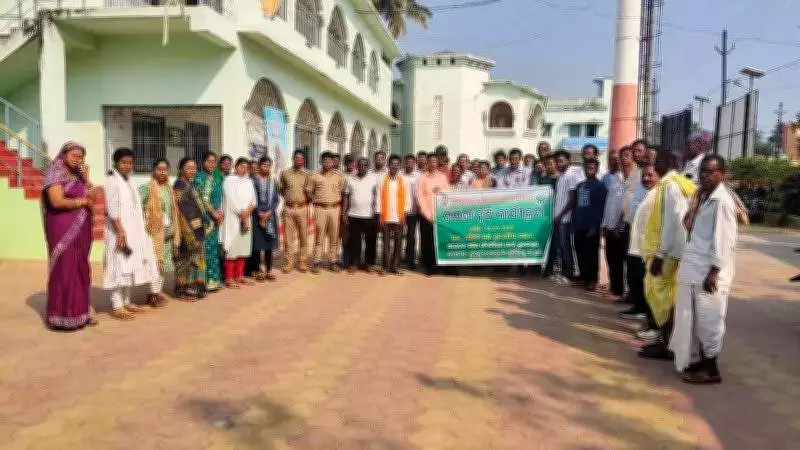
In a pivotal meeting held in Ganjam town, the Ramagada and Palibandh panchayats formally agreed to designate the stretch from Potagada, a historical site, to Bateshwar as a BHS. The meeting, organized by the Odisha State Biodiversity Board, included members from biodiversity management committees across eight panchayats, highlighting widespread community engagement.
Ganjam block development officer Achyutanand Jani confirmed, "The elected members of the concerned panchayats and the members of the biodiversity management committees have expressed their willingness for declaration of the area as BHS in the meeting." This consensus underscores the local support for preserving the region's ecological integrity.

Understanding Biodiversity Heritage Sites
During the meeting, scientists from the board elaborated on the concept of Biodiversity Heritage Sites under Section 37(1) of the Biological Diversity Act-2002. They clarified that BHS status does not restrict customary community practices but instead promotes ecological sustainability in alignment with guidelines from the National Biodiversity Authority (NBA). This ensures that traditional activities, such as fishing, can continue while enhancing conservation efforts.
Proposal and Ecological Significance
The initiative stems from a proposal submitted by Berhampur divisional forest officer Sunny Khokkar, who advocated for the site's recognition due to its unique ecosystem and cultural importance. The proposed area spans 747 hectares and serves as a critical habitat for thousands of Olive Ridley turtles that nest annually. Additionally, it hosts migratory birds during peak winter and various dolphin species, including Irrawaddy dolphins, which were recently sighted in a census.
Local villagers, primarily fishermen, play a vital role in protecting these species. Last year, a record-breaking 9 lakh Olive Ridley turtles laid eggs in the Rushikulya rookery, demonstrating the area's ecological vitality.
Strategic Conservation Efforts
Rabindra Sahu, former honorary wildlife warden of Berhampur, emphasized the government's strategy to safeguard biodiversity beyond conventional protected areas by involving communities as stewards. He noted that the Rushikulya river mouth is an ideal candidate for BHS declaration, given its ecological value and the active participation of local residents in conservation.
This move aims to balance ecological preservation with community livelihoods, ensuring sustainable management of natural resources for future generations.