Trump Issues Stark Warning to Iran Over Hormuz Strait Blockade
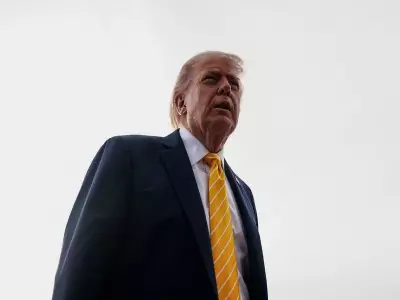
Former United States President Donald Trump has delivered a severe and unambiguous warning to Iran, declaring that any ships attempting to approach a potential blockade of the Hormuz Strait will face immediate elimination. This statement, made on April 13, 2026, marks a significant escalation in the ongoing geopolitical tensions between the US and Iran, with the strategic waterway at the center of global energy security concerns.
Details of the Warning and Its Implications
In his remarks, Trump emphasized a zero-tolerance policy towards Iranian naval activities near the Hormuz Strait, a critical chokepoint for oil shipments from the Middle East. He stated that if Iran moves to enforce a blockade or sends ships close to such a blockade, the US military will respond with decisive force to eliminate those vessels. This warning underscores the volatile nature of US-Iran relations, which have been fraught with conflicts over nuclear programs, regional influence, and maritime security.
The Hormuz Strait is a vital maritime route, through which approximately one-fifth of the world's oil passes daily. Any disruption here could lead to severe economic repercussions globally, including spikes in oil prices and supply chain disruptions. Trump's warning highlights the high stakes involved, as the US aims to deter Iranian aggression and maintain free navigation in international waters.

Background and Regional Context
This warning comes amid a backdrop of heightened tensions in the Middle East, where Iran has previously threatened to close the Hormuz Strait in response to US sanctions or military actions. In recent years, there have been multiple incidents of ship seizures and attacks in the region, often attributed to Iranian forces or proxies. Trump's statement signals a potential return to a more confrontational US foreign policy approach, reminiscent of his tenure in office, which included the assassination of Iranian General Qasem Soleimani in 2020.
Iran has not yet issued an official response to Trump's warning, but analysts predict that it could lead to increased military posturing from both sides. The situation is further complicated by the involvement of other global powers, such as China and Russia, who have economic and strategic interests in the region and may seek to mediate or counter US actions.
Potential Consequences and Global Reactions
The international community is closely monitoring this development, with concerns about the risk of a broader conflict. Key implications include:
- Military Escalation: Trump's warning raises the likelihood of direct military clashes between US and Iranian forces in the Persian Gulf, which could draw in regional allies.
- Economic Impact: Any disruption to oil flows through the Hormuz Strait could trigger global economic instability, affecting energy markets and inflation rates.
- Diplomatic Fallout: This move may strain US relations with European allies and other nations advocating for diplomatic solutions to tensions with Iran.
- Security Concerns: Increased naval patrols and defense measures could lead to accidents or miscalculations, escalating into a larger crisis.
As the situation unfolds, experts urge caution and dialogue to prevent a full-scale confrontation. Trump's warning serves as a reminder of the fragile balance in the Middle East and the ongoing challenges in US foreign policy towards Iran.