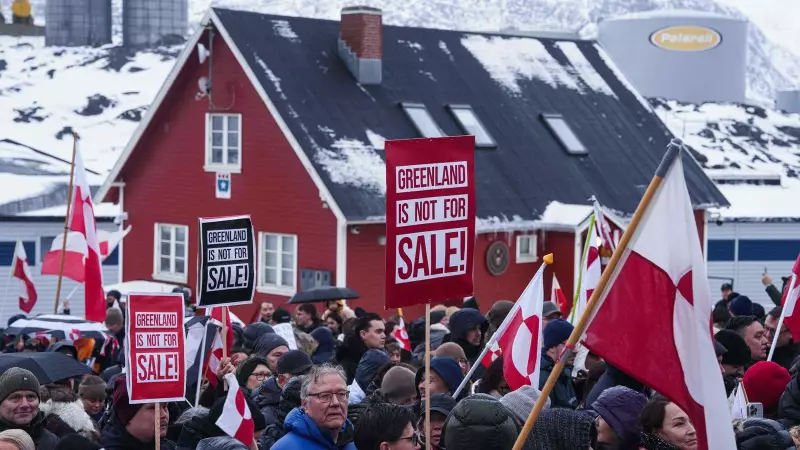
In a statement that has stirred international debate, Russia has declared that Greenland is not a natural part of Denmark, citing historical and geographical factors. This assertion comes as a reminder of former U.S. President Donald Trump's past interest in purchasing the island, highlighting ongoing geopolitical tensions in the Arctic region.
Russia's Historical and Geographical Argument
Russian officials have emphasized that Greenland's status as part of Denmark is not inherent, pointing to its unique cultural and environmental characteristics. They argue that the island's vast size and distinct identity set it apart from mainland Denmark, suggesting that its governance should reflect these differences. This perspective challenges the long-standing political arrangement that has placed Greenland under Danish sovereignty since the early 18th century.
Trump's Past Interest in Greenland
The Russian statement indirectly references former President Donald Trump's well-documented fascination with Greenland. In 2019, Trump publicly expressed a desire to buy the island, citing its strategic location and natural resources. Although Denmark firmly rejected the proposal, the incident underscored Greenland's geopolitical significance, particularly in the context of climate change and resource exploration in the Arctic.

Geopolitical Implications in the Arctic
This development occurs against a backdrop of increasing competition in the Arctic, where nations like Russia, the United States, and others are vying for influence. Greenland's location makes it a key player in this arena, with its melting ice opening up new shipping routes and access to untapped resources such as oil and minerals. Russia's comments may be seen as an attempt to question Western alliances and assert its own interests in the region.
Denmark's Response and Sovereignty
Denmark has consistently maintained that Greenland is an integral part of its kingdom, with the island enjoying a high degree of autonomy under the Danish Realm. The Danish government has not yet issued an official response to Russia's latest claims, but experts predict a firm reaffirmation of sovereignty. Greenland itself has expressed a desire for greater independence, though it remains economically and politically tied to Denmark.
Broader International Reactions
International observers are closely watching this situation, as it could influence diplomatic relations and Arctic policies. Some analysts view Russia's statement as a strategic move to destabilize NATO alliances, given Denmark's membership in the organization. Others see it as part of a broader pattern of Russian assertiveness in global affairs, particularly in regions with strategic value.
In summary, Russia's claim that Greenland is not naturally part of Denmark has reignited discussions about the island's status, echoing past controversies involving Trump. As geopolitical tensions rise in the Arctic, this issue underscores the complex interplay of history, sovereignty, and international power dynamics.