

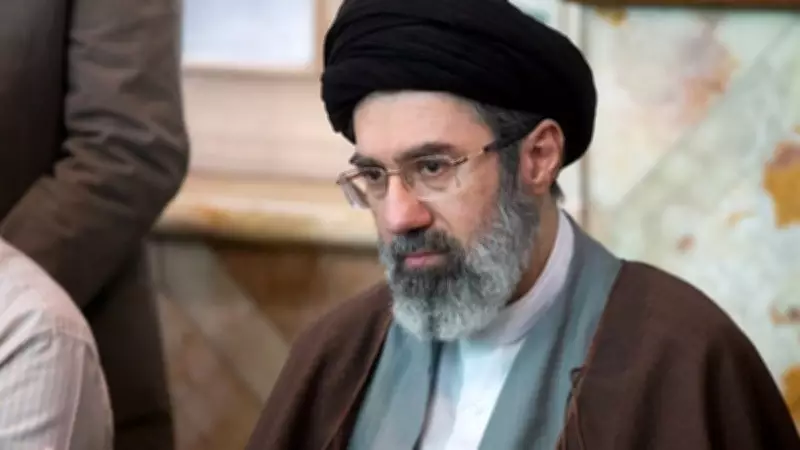
Russia Confirms Iran's New Supreme Leader Present But Avoiding Public View
Russia's ambassador to Tehran has confirmed that Iran's newly appointed Supreme Leader, Mojtaba Khamenei, remains within the country but has been deliberately avoiding public appearances for what he described as "understandable reasons." This statement was made during an interview with the RTVI news outlet on Tuesday, providing rare international insight into Iran's current leadership situation.
Leadership Questions Amid Ongoing Conflict
The prolonged absence of Mojtaba Khamenei from public life has raised significant questions about Iran's leadership stability and command structure since the beginning of the conflict with the United States and Israel. Mojtaba assumed the position of supreme leader following the death of his father, Ayatollah Ali Khamenei, who was killed when Israel and the United States launched their military campaign against Iran more than a month ago.
The United States government has stated it believes Mojtaba himself is wounded and likely disfigured, though specific details about his medical condition have not been independently verified by neutral sources. This uncertainty has created a vacuum of reliable information about Iran's current leadership capabilities.

International Reactions and Speculation
US President Donald Trump has publicly claimed that Iran's leadership structure has effectively collapsed, directly questioning Mojtaba's status and highlighting his extended absence from public view. During recent remarks, Trump stated, "Their leaders are dead. Their Supreme Leader is no longer supreme — he's dead. The son (Mojtaba Khamenei) is either dead or in very bad shape, because no one has heard from him. I think he's saying, 'just keep me out of this.' It's the only country where no one wants to lead."
These comments reflect the broader international uncertainty surrounding Iran's governance during this critical period of conflict and transition.
Russia's Diplomatic Position
Russia and Iran maintain particularly close diplomatic relations, having signed a strategic partnership treaty just last year that solidified their bilateral cooperation. Moscow's decision to comment on Mojtaba's presence in Iran underscores Russia's continued engagement with Tehran despite the current leadership uncertainty.
The Russian ambassador's statement serves multiple purposes:
- Confirming basic facts about Mojtaba's location
- Acknowledging the unusual nature of his public absence
- Maintaining diplomatic channels with Iran's leadership
- Positioning Russia as an informed intermediary in regional affairs
This diplomatic communication occurs against a backdrop of heightened tensions in the Middle East, with Iran facing simultaneous military pressure from both the United States and Israel while navigating a complex leadership transition.
The situation presents significant challenges for Iran's political stability, military command structure, and international relations during what may prove to be one of the most critical periods in the nation's modern history.






