Russia Reportedly Supplies Iran With Intel and Satellite Imagery on US Bases
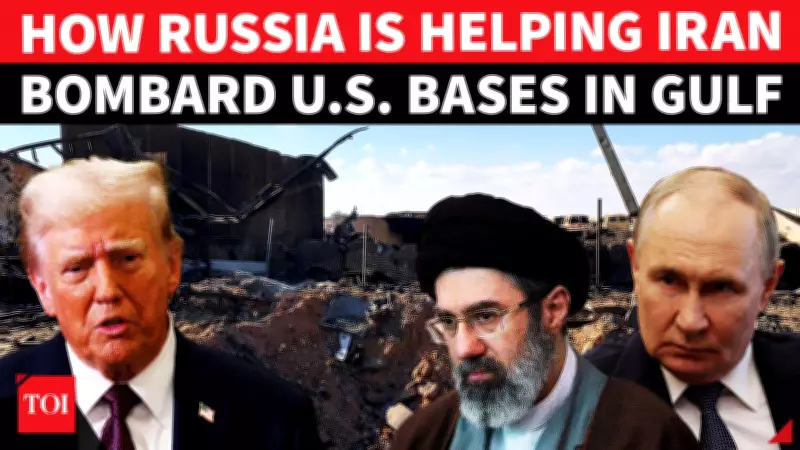
A bombshell report by The Wall Street Journal has revealed that Russia is allegedly playing a covert but critical role in Iran's escalating attacks on US forces in the Middle East. Citing sources familiar with the matter, the report claims Moscow has been sharing satellite intelligence, drone technology, and targeting data with Tehran to significantly strengthen its strike capabilities.
Details of the Alleged Support
According to the report, Russia has provided Iran with detailed intelligence on the precise locations of US military bases, warships, and allied assets across the region. This support is described as comparable to what Washington and its allies have offered Ukraine in its ongoing war against Russia, highlighting a strategic parallel in global conflicts.
Furthermore, enhanced drone components, particularly for Iran's Shahed drones, are believed to have been transferred from Russia. These components are said to improve navigation and strike precision, making Iran's drone attacks more effective and deadly.

Implications for Regional Security
The alleged collaboration between Russia and Iran marks a significant escalation in the Middle East conflict. By supplying such advanced intelligence and technology, Russia is potentially enabling Iran to conduct more accurate and devastating attacks on US and allied forces, raising serious concerns about regional stability and security.
This development comes amid a backdrop of heightened tensions, with Iran recently launching missile strikes on Israel and other targets in retaliation for various incidents. The report suggests that Russia's involvement could further complicate the geopolitical landscape, drawing parallels to the proxy dynamics seen in other global hotspots.
Broader Context and Reactions
The Wall Street Journal's findings have sparked international attention, with analysts warning that this alleged support could lead to increased casualties and a prolonged conflict in the Middle East. The report underscores the complex web of alliances and rivalries shaping current global affairs, where nations are increasingly using indirect means to advance their strategic interests.
As the situation continues to evolve, stakeholders are closely monitoring any official responses from the involved governments. The allegations, if proven true, could have far-reaching consequences for diplomatic relations and military strategies in the region and beyond.