

Sachin Tendulkar Miyawaki Forest: A Cricket Bat-Shaped Green Initiative in Udupi
A unique environmental project is taking root in Katapady, Udupi, where a Miyawaki forest shaped like a cricket bat and named after legendary cricketer Sachin Tendulkar is set to emerge. This innovative initiative aims to leverage the immense popularity of cricket to draw young people towards environmental action and conservation efforts.
Environmentalist K Mahesh Shenoy's Vision
Katapady-based environmentalist K Mahesh Shenoy, who is also a pharmaceutical distributor and motivational speaker, will develop this distinctive forest on 30 cents of land. Titled the Sachin Tendulkar Miyawaki Forest, this marks Shenoy's second Miyawaki project in the region.
"Cricket connects deeply with the younger generation," Shenoy told TOI. "Through this concept, I want to channel that connection towards protecting the environment."

Shenoy explained that the project comes at a critical time when tree felling has increased significantly. "With the West Asia crisis, many hotels have shifted to firewood usage. We are cutting trees at an alarming pace, but are we planting enough in return?" he questioned.
Project Details and Implementation
The Sachin Tendulkar Miyawaki Forest will spread across 13,020 square feet on land valued at approximately Rs 1.8 crore. The forest will feature 12-15 native species including neem, silver oak, and teak trees.
The development will proceed in phases:
- Initial soil preparation
- Planting of at least 3,000 saplings
- Ongoing maintenance and monitoring
The project launch is scheduled for April 3 at Posar in Katapady, with Sudhir Nayak Karopady of Rising Roos Cricket Academy, Australia, and Australian cricket coaches expected to participate in the inaugural planting ceremony.
Shenoy's Environmental Legacy
K Mahesh Shenoy is an early adopter of the Miyawaki method in the Udupi region. Nearly eight years ago, he developed Ganapathi Vana on an 838-square-foot plot, naming it after his grandfather. This pioneering effort helped popularize the dense afforestation technique locally.
"Today, around 16 such Miyawaki forests have come up in the vicinity," Shenoy noted, "including a 50-cent project by Alfred Vincent Monis with nearly 3,000 saplings."
The Miyawaki Method Explained
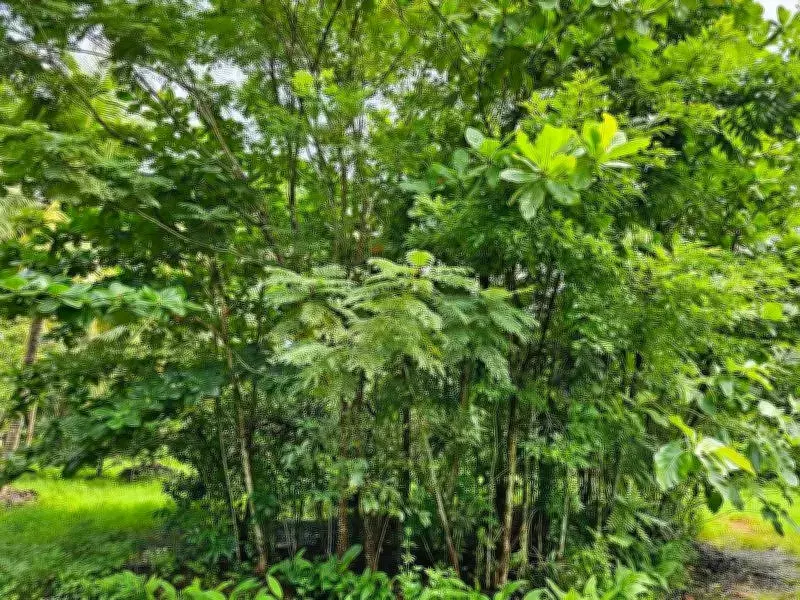
The Miyawaki method, developed by Japanese botanist Akira Miyawaki, involves planting native species close together to create dense, fast-growing forests. This technique has gained popularity worldwide for its effectiveness in urban afforestation and biodiversity restoration.
The Sachin Tendulkar Miyawaki Forest represents a creative fusion of sports symbolism with environmental conservation, potentially serving as a model for engaging younger generations in ecological stewardship through their existing passions and interests.






