

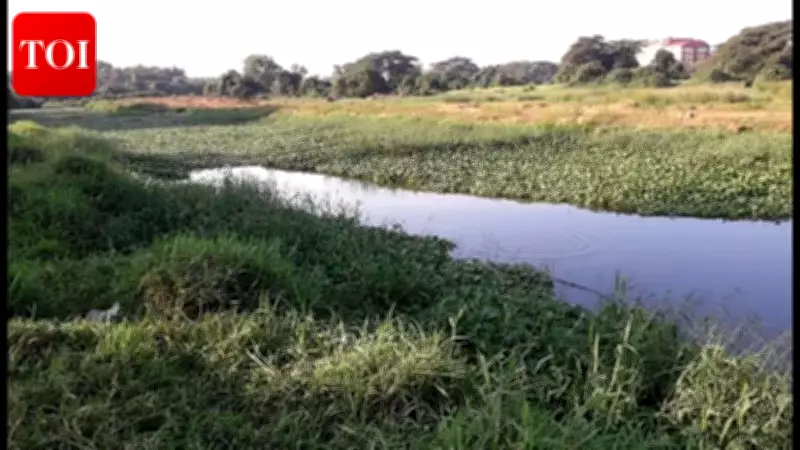
Sal River Faces Ecological Collapse as Oxygen Levels Plummet to Zero
Margao, Goa: The Sal River, a vital waterway in South Goa, is experiencing an environmental catastrophe that has reached critical levels. Recent official data and comprehensive ground inspections have confirmed a devastating decline in water quality, with multiple stretches of the river now recording dissolved oxygen levels near absolute zero. This alarming situation has triggered widespread concern among local residents, who are intensifying pressure on authorities to implement genuine solutions rather than temporary fixes.
Citizens Demand Action on Polluting Nullahs
Residents argue that the core problem lies in the choked, sewage-laden nullahs that discharge untreated waste directly into the Sal River. Sanjay Dessai, a Margao resident who has meticulously documented the river's deterioration, identifies five major nullahs in Margao as the primary sources of contamination. He emphasizes that any meaningful clean-up effort must begin with addressing these pollution conduits.
"The old market nullah, which serves as a significant tributary to the Sal, is pumping substantial pollution directly into our waters," Dessai stated. "The river is essentially gasping for breath, and the contamination originates from our own backyards. We must insist on a comprehensive cleanup that tackles the root causes."

Dessai warned that without a complete overhaul of the sewerage network, any remediation efforts would remain superficial and ineffective. This sentiment is echoed by Rita Fernandes, a homemaker from Khareband whose neighborhood borders the polluted river. She described how the overpowering stench from nearby nullahs has made daily life increasingly unbearable for local families.
Multiple Pollution Sources Compound the Crisis
Environmental studies have pinpointed several contributing factors to the river's degradation. Seepage and overflow from poorly maintained soak pits release untreated sewage into nullahs that ultimately empty into the Sal River. This discharge is particularly visible and problematic in areas like Khareband and Navelim.
Additional pollution sources include:
- Waste from the SGPDA wholesale fish market
- Laundry effluents containing detergents and chemicals
- Slaughterhouse runoff carrying biological contaminants
These pollutants accumulate in the nullahs before draining into the Sal River, creating a toxic cocktail that devastates aquatic ecosystems.
Scientific Data Confirms Environmental Emergency
The urgency of citizen demands is substantiated by compelling scientific evidence. Official water quality records for 2025, presented during a recent legislative assembly session, reveal dissolved oxygen levels crashing to near zero for five consecutive months at a downstream monitoring station. This threshold indicates the near-total collapse of aquatic life, as most organisms cannot survive in such oxygen-depleted conditions.
Furthermore, biochemical oxygen demand levels have consistently breached safe limits, peaking at 6mg/litre. This measurement indicates the amount of oxygen required by microorganisms to decompose organic waste in the water, with higher values signaling severe pollution.
Government Response and Public Skepticism
Following a site inspection of the river last month, Water Resources Minister Subhash Shirodkar directed officials to prioritize halting direct sewage inflow into the Sal River. While this directive represents a recognition of the problem, citizens remain skeptical about its implementation.
Local activists and residents argue that ministerial directives must translate into immediate, concrete action targeting the nullahs that are slowly killing the Sal River. They emphasize that bureaucratic processes cannot keep pace with the accelerating ecological damage, demanding urgent intervention before irreversible harm occurs.

The Sal River crisis represents a critical test for environmental governance in Goa, balancing development pressures with ecological preservation. As scientific data paints an increasingly dire picture and public frustration mounts, the coming months will determine whether authorities can implement effective solutions or merely cosmetic changes to a deepening environmental emergency.





