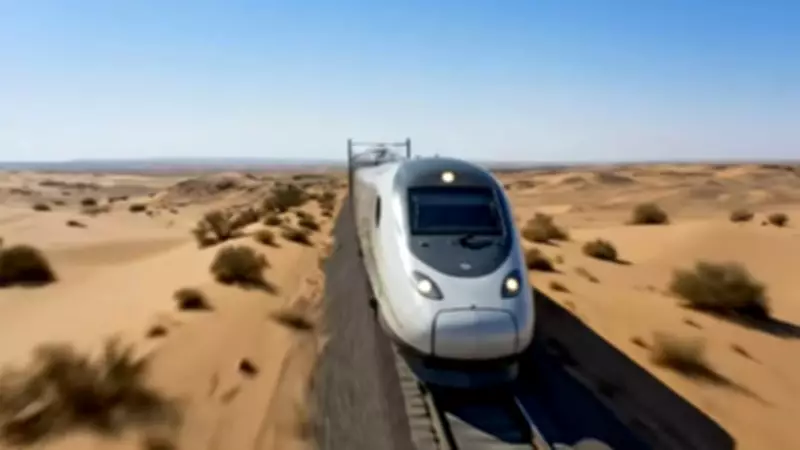
Saudi Arabia-Qatar Bullet Train Project: A 2-Hour Journey Across 785 km
In a landmark move for Gulf transportation, the Saudi Council of Ministers has officially cleared the agreement for a high-speed electric railway linking Saudi Arabia and Qatar. This ambitious project, set to revolutionize passenger rail travel in the region, promises to connect the capital cities of Riyadh and Doha in just two hours, covering a distance of 785 kilometers.
Key Details of the Riyadh-Doha High-Speed Rail
The bullet train network will operate at speeds exceeding 300 kilometers per hour, making it one of the fastest rail systems in the Middle East. According to the Ministry of Transport in Qatar, the route will pass through several key regions, including Al-Hofuf and Dammam, and will link major transportation hubs such as Hamad International Airport in Doha with King Salman International Airport in Riyadh. Additional connections will be made to stations in Dammam and Al-Ahsa, enhancing regional accessibility.
"The train will cut the travel time between Doha and Riyadh to two hours, something which supports mobility, enhances business and tourism, advances economic growth, and contributes to improving the quality of life," stated Qatar's Ministry of Transport. This reduction in travel time is expected to significantly boost cross-border activities and foster closer ties between the two nations.

Economic Impact and Passenger Ridership
The project is projected to have a substantial economic impact, with estimates suggesting it will generate approximately 115 billion riyals (around Rs 278 crore) in revenues for the GDP of both Saudi Arabia and Qatar. "...making it one of the most strategic projects that support regional development and cement connectivity and integration among the GCC countries via a modern railway network," the Ministry of Transport, Qatar, emphasized.
In terms of ridership, more than 10 million passengers are anticipated to use the train annually, highlighting its potential as a vital transportation link. Furthermore, the initiative is expected to create over 30,000 direct and indirect jobs, providing a significant boost to local employment and economic development in the region.
Completion Timeline and Environmental Considerations
The Saudi Arabia-Qatar High Speed Electric Rail project is estimated to take six years to complete, with construction adhering to the highest international quality and safety standards. The project will incorporate advanced technologies in railroads and smart engineering to ensure safe and seamless operations.
Environmental sustainability is a key focus, with efforts aimed at reducing carbon emissions and promoting the shift to more efficient and creative modes of smart and sustainable mobility in the Gulf region. This aligns with global trends towards greener transportation solutions and supports the broader goals of the Gulf Cooperation Council (GCC) countries in enhancing regional connectivity.
Broader Implications for Gulf Infrastructure
This bullet train project represents a significant step forward in infrastructure development within the GCC, setting a precedent for future high-speed rail initiatives. By improving mobility and fostering economic integration, it is poised to transform not only travel but also business and tourism dynamics across Saudi Arabia and Qatar.
As the project progresses, it will be closely watched by stakeholders in the transportation and infrastructure sectors, serving as a model for cross-border collaborations in the Middle East and beyond.