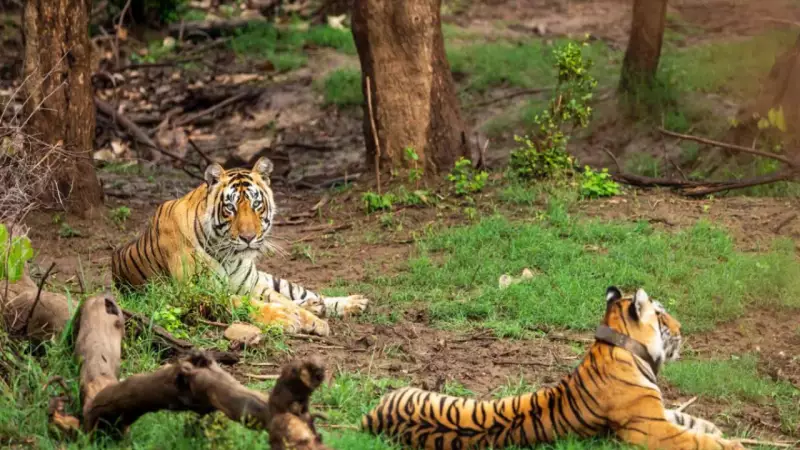
A major environmental controversy is unfolding around Bengaluru's Bannerghatta National Park (BNP), mirroring past battles over the Aravali hills. The park, a vital green lung and biodiversity hotspot for the city, is under severe threat from mining and real estate development encroaching on its contiguous landscape.
The Core of the Controversy: A Drastic ESZ Reduction
At the heart of the dispute is a March 2020 decision by the Karnataka state government to dramatically reduce the Eco-Sensitive Zone (ESZ) around the national park. The protected buffer was slashed from 268.9 square kilometres to just 168.8 square kilometres. Its width was also reduced from 4 kilometres to a mere 1 kilometre.
This move reversed an earlier proposal. In June 2016, the Union Ministry of Environment, Forests and Climate Change, in consultation with the state, had preliminarily notified 268.9 sq km as the ESZ. The final notification four years later sharply curtailed this area.

Citizens Challenge, Supreme Court Panel Steps In
Concerned citizens, led by K Belliappa, approached the Supreme Court in May 2025. They argued that the reduction undermines the very purpose of an ESZ, which is to act as a shock absorber for protected forests. Following their petition, the Supreme Court-appointed Central Empowered Committee (CEC) has taken up the matter.
CEC member Chandra Prakash Goyal is scheduled to visit the park to inspect the ground reality. He will also interact with senior state officials, including the chief secretary, to assess the ecological impact of the ESZ reduction.
Fragmented Landscape and Mounting Threats
The petitioners allege that the 2020 decision was influenced by powerful real estate developers and mining interests. They contend that several ecologically sensitive pockets, including well-documented elephant corridors, were deliberately excluded from the final ESZ notification.
This exclusion fragments the contiguous landscape, increasing the risk of human-elephant conflict as animal movement paths are blocked. Kiran Urs of the Bannerghatta Nature Conservation Trust (BNCT) stated the reduction seems like an attempt to legitimise existing violations. "The excluded pockets contain active quarries, and there were efforts to build a township along the boundary," he alleged, warning of immense pressure on the ecosystem.
The threat is felt by locals too. Somashekhar, a farmer from Kaduchikkanahalli, reported facing pressure to sell his land even after the final ESZ notification. He has, however, resisted and continues to cultivate ragi on his property.
Keerthan Reddy of BNCT called BNP one of the best ecological gifts for a growing Bengaluru. "No other city can boast this vast green landscape in its backyard, dotted with tigers, elephants, and leopards. Rising human-animal conflicts will only worsen with such violations," he cautioned.
The CEC's findings could prove crucial in determining the future of Bengaluru's precious natural heritage, balancing conservation needs against development pressures.