US Bolsters Military Presence in West Asia with Second Aircraft Carrier Deployment
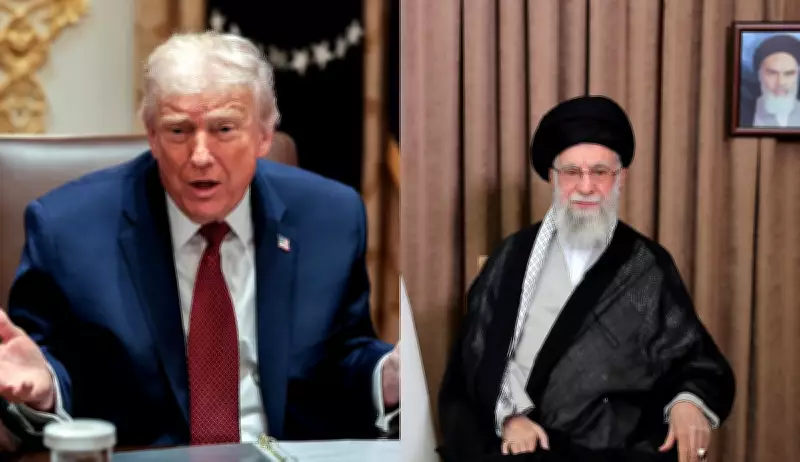
In a significant escalation of military posture, the United States has dispatched a second aircraft carrier to the West Asia region. This strategic move comes amid heightened tensions with Iran, as President Donald Trump evaluates potential military actions against the Islamic Republic.
Growing Tensions Over Iran's Nuclear Program
The deployment occurs against the backdrop of ongoing diplomatic talks between Washington and Tehran regarding Iran's controversial nuclear program. Despite these negotiations, the Trump administration is actively weighing military options, reflecting deep-seated concerns over Iran's regional ambitions and nuclear capabilities.
This development marks a substantial reinforcement of US naval power in the strategically vital waters of West Asia. The region has witnessed increasing instability, with multiple flashpoints threatening to erupt into broader conflict.

Strategic Implications of the Carrier Deployment
The decision to send a second carrier strike group demonstrates Washington's commitment to maintaining a robust military presence in the region. This deployment serves multiple strategic purposes:
- Enhanced deterrence against potential Iranian aggression
- Increased operational flexibility for US forces in the region
- Strengthened defense posture for regional allies
- Improved intelligence, surveillance, and reconnaissance capabilities
Military analysts note that dual carrier deployments represent one of the most powerful conventional military signals a nation can send, capable of projecting force across vast distances while providing unmatched air superiority.
Regional Reactions and International Concerns
The escalation has drawn attention from key regional players, including Israel under Prime Minister Benjamin Netanyahu, who has long advocated for a tougher stance against Iran. Meanwhile, Iranian leadership, including Supreme Leader Ayatollah Ali Khamenei, has maintained a defiant posture toward what they characterize as American aggression.
International observers express concern that the heightened military presence could complicate diplomatic efforts to resolve the nuclear standoff through peaceful means. The delicate balance between military preparedness and diplomatic engagement presents significant challenges for all parties involved.
As the situation continues to evolve, the international community watches closely, hoping for a peaceful resolution while preparing for various contingencies in one of the world's most volatile regions.