Self-Cannibalism in Nature: A Startling Survival Strategy
Nature often presents behaviors that can seem bizarre or unsettling to human observers, with self-cannibalism standing out as a particularly intriguing example. This phenomenon involves animals consuming parts of their own bodies, such as snakes swallowing shed skin or creatures chewing off injured limbs. While it might sound disturbing, this act is frequently a practical survival tactic in the wild, where food scarcity and predator threats are constant challenges.
The Practical Reasons Behind Self-Cannibalism
In environments where resources are unpredictable, self-cannibalism can serve multiple purposes. It allows animals to recycle essential nutrients, remove evidence of injury to evade predators, and recover energy during times of need. Scientists have documented this behavior across various species, including frogs, snakes, crustaceans, lizards, and octopuses, often linking it to hunger, stress, or innate survival instincts rather than deliberate choice.
Five Animals Known for Self-Cannibalism
Frogs: Green treefrogs and other species engage in dermatophagy, the practice of eating their shed skin. This helps them recycle proteins and minerals, maintain skin health, and conceal their scent from predators. Some research suggests it may also boost immunity against pathogens, and in extreme cases, frogs might even consume other frogs.

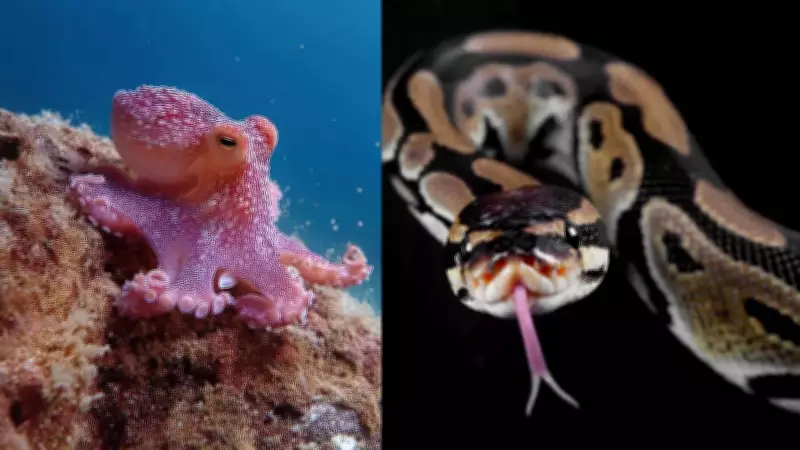
Snakes: Captive snakes, such as garter snakes and corn snakes, sometimes exhibit ouroboros behavior by biting their own tails, often due to stress-induced confusion. They also eat their shed skin to extract tiny nutrients, highlighting a resourceful approach to self-maintenance.
Crustaceans: Crabs, lobsters, and shrimp are adept at recycling by consuming their exoskeletons after molting. This reclaims calcium and minerals that would otherwise be lost. Additionally, some species display cannibalistic tendencies, with soft-bodied crabs attacking molting neighbors for sustenance.
Lizards: Species like fat-tailed geckos and leopard geckos can drop their tails to escape predators, then eat the detached appendage to recover fat, nutrients, and calcium. This can account for up to 20% of their stored energy, making it a vital strategy during food shortages.
Octopuses: In captivity, octopuses such as Octopus vulgaris may bite or amputate their own arms due to stress, neurological issues, or predator escape attempts. Hormonal changes in females after laying eggs can also lead to self-harm behaviors, underscoring the complex triggers behind this phenomenon.
Understanding the Creepy Reasons
Animals eat their own body parts for several key reasons:
- Nutrient Recycling: Frogs and crustaceans consume shed skin or exoskeletons to regain proteins and minerals, preventing nutrient loss.
- Energy Recovery: Lizards eat dropped tails to access stored fat, aiding survival during periods of food scarcity.
- Predator Avoidance: Eating shed skin can eliminate scent traces that predators might follow, enhancing safety.
- Stress and Confusion: In captive settings, animals like snakes and octopuses may engage in self-cannibalism due to stress or neurological misfires.
This behavior, while unusual, underscores the adaptability and resilience of wildlife in facing environmental pressures.