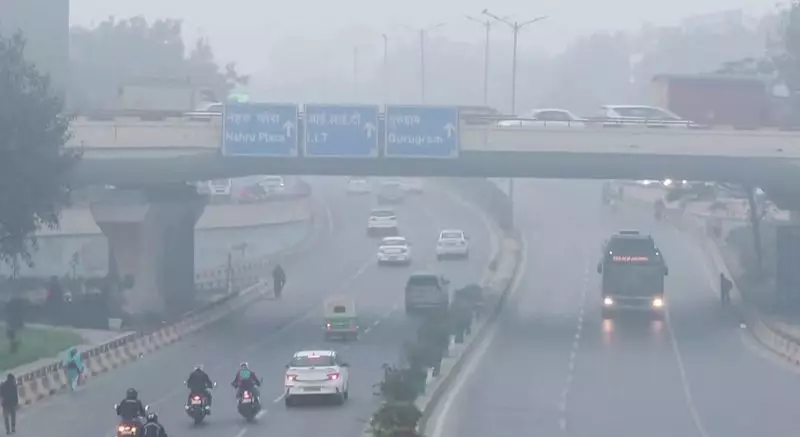
A severe cold wave has descended upon northern India, bringing freezing temperatures and dense fog that are disrupting daily life. The India Meteorological Department (IMD) has reported a significant drop in mercury levels across several states, with Rajasthan experiencing particularly harsh conditions and the national capital waking up to a chilly morning.
Mercury Plummets Across Northern States
The IMD data paints a stark picture of the winter's intensity. On Monday, Delhi's Safdarjung observatory recorded a minimum temperature of 3.4 degrees Celsius, which is five notches below the season's average. Other parts of the capital region felt similar bites of cold. The Lodhi Road area saw a low of 3.8°C, while the Ridge station reported 4.8°C.
The cold wave is not confined to Delhi. Neighbouring Rajasthan has been gripped by freezing temperatures. Churu recorded a bone-chilling low of 1.4 degrees Celsius. Other cities in the state also shivered: Pilani at 2.5°C, Mount Abu at 2.6°C, and Sikar at 3.0°C. The IMD has attributed this widespread chill to dry north-westerly winds blowing across the plains.

Dense Fog and Travel Disruptions
Alongside the cold, dense fog has emerged as a major concern, severely impacting visibility and transportation. The IMD noted that visibility dropped to a mere 50 metres in several parts of Punjab, Haryana, and Delhi during the early morning hours. This has led to significant disruptions for road and rail travellers.
Air travel has also been affected. Flight operations at Delhi's Indira Gandhi International Airport faced delays due to the foggy conditions. Authorities have advised commuters to exercise extreme caution, use fog lights while driving, and check their flight or train schedules before heading out.
Forecast and Advisories
The weather department has forecast that the cold wave conditions are likely to persist over the next few days. Isolated pockets in Punjab, Haryana, Chandigarh, Delhi, and Rajasthan will continue to experience severe cold. There is, however, a prediction of light rainfall over parts of Jammu and Kashmir, Ladakh, and Himachal Pradesh which might slightly modulate temperatures in the hills.
Health experts and local administrations have issued advisories urging people, especially the elderly and children, to take necessary precautions:
- Wear multiple layers of warm clothing.
- Avoid early morning and late evening outdoor exposure.
- Stay hydrated and consume warm foods and drinks.
- Ensure proper ventilation when using indoor heaters to prevent gas-related accidents.
The municipal corporations in Delhi have also activated night shelters to provide refuge to the homeless population during this period of intense cold. The current weather pattern underscores the harsh winter phase in North India, with authorities on alert to manage its consequences on public life and infrastructure.