A severe water crisis is gripping Iran, reaching a critical point in the capital city of Tehran where many residents are finding their taps running completely dry. This acute shortage has sparked public anger and protests, highlighting a long-brewing environmental and governance challenge for the Islamic Republic.
Capital City Parched as Crisis Peaks
The situation became dire in early July 2024, when neighborhoods across Tehran, a metropolis of over 15 million people, began experiencing severe disruptions or a complete loss of piped water supply. Officials from the Tehran Province Water and Wastewater Company confirmed the crisis, attributing it to a surge in consumption during a intense heatwave coupled with critically low levels in dams that supply the city.
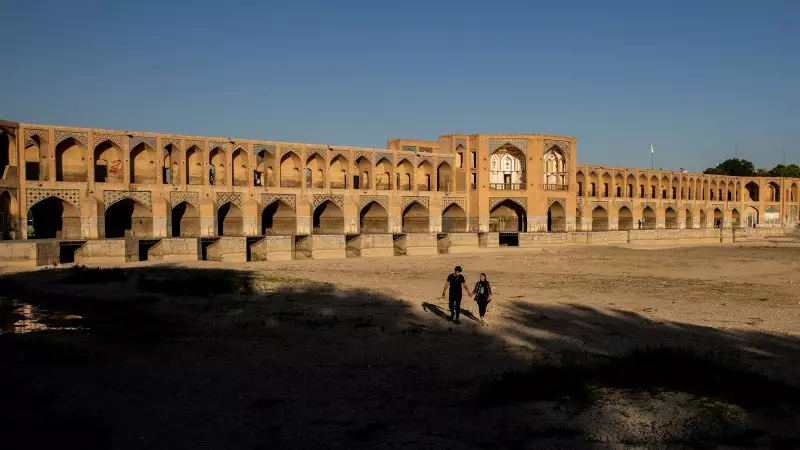
Key reservoirs like Lar, Latyan, and Karaj are reported to be at historically low capacities, severely straining the system's ability to meet demand. The government has implemented water rationing in the capital and other major cities, but the measures have proven insufficient, leaving many households without water for daily needs.

Roots of the Scarcity: Drought, Mismanagement, and Sanctions
While the immediate trigger is the heatwave, experts point to deeper, systemic causes for Iran's water woes. The country has been suffering from a prolonged drought for over three decades, a situation exacerbated by climate change which has led to reduced rainfall and higher evaporation rates.
However, environmental mismanagement is widely cited as a major aggravating factor. Policies that have promoted water-intensive agriculture and inefficient irrigation practices have depleted groundwater aquifers at an alarming rate. The construction of numerous dams and the diversion of rivers have also disrupted natural water cycles. Furthermore, US-led economic sanctions have hampered Iran's ability to import modern water management technology and spare parts for its aging infrastructure, making it harder to fix leaks and modernize the network.
Public Outcry and Government Response
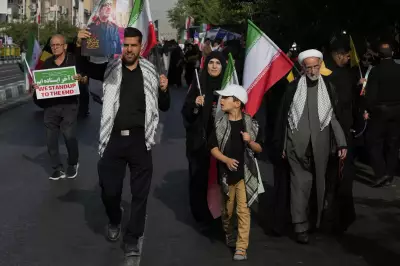
The water shortages have fueled public frustration, boiling over into protests in several areas. Citizens have taken to the streets to express their desperation over the lack of a basic life necessity. Social media has been flooded with videos and reports of dry taps and long queues for water tankers.
In response, government authorities have urged citizens to drastically reduce consumption. They have also announced plans to drill new wells and complete water transfer projects, though critics argue these are short-term fixes that may further damage the environment. The crisis has become a significant political issue, with officials acknowledging the severity of the problem while seeking to manage public discontent.
The unfolding water crisis in Iran is more than an environmental issue; it is a complex socio-economic challenge with potential implications for stability. It underscores the urgent need for sustainable water management policies, infrastructure investment, and international engagement to address a problem that affects millions of lives.