

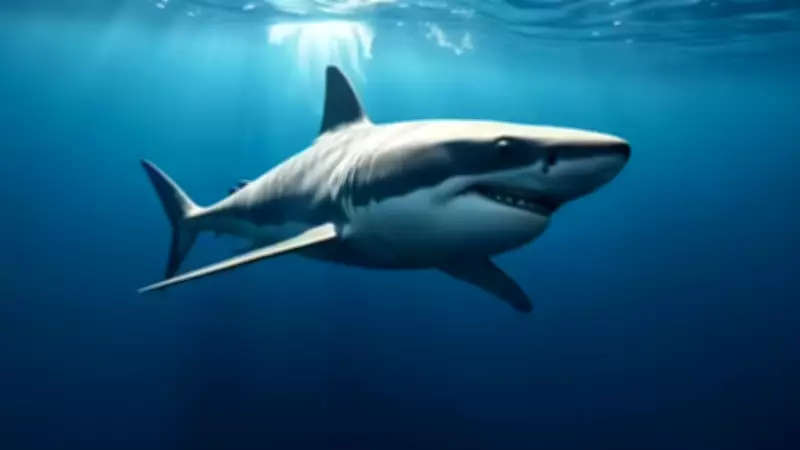
Sharks in Bahamas Found Contaminated with Cocaine, Caffeine, and Painkillers
In a startling discovery, sharks inhabiting the waters around the Bahamas have tested positive for cocaine, caffeine, and common painkillers. This finding, made by Brazilian scientists, underscores the escalating levels of pharmaceutical and illicit drug pollution, even in relatively isolated marine environments. The research, published in the journal Environmental Pollution, reveals how human activities are increasingly impacting remote oceanic regions.
Study Details and Key Findings
The study involved collecting blood samples from 85 sharks near Eleuthera in the Bahamas. Among these, 28 individuals across three different shark species tested positive for various substances. Caffeine emerged as the most frequently detected compound, followed by acetaminophen and diclofenac—active ingredients in widely used pain relievers like Tylenol and Voltaren. Notably, two sharks also showed traces of cocaine, which researchers suspect entered the water through discarded or lost drug packets.
According to Natascha Wosnick, a study author from the Federal University of Paraná in Brazil, sharks often bite objects to investigate their surroundings, inadvertently exposing themselves to these contaminants. This marks the first recorded instance of cocaine being detected in sharks in the Bahamas and the first global detection of caffeine in sharks, highlighting a novel and concerning form of marine pollution.

Sources of Contamination and Environmental Impact
Many of the sampled sharks were located near popular tourist and diving sites, pointing to contamination from wastewater associated with boats and coastal development. The presence of these substances in such a remote area emphasizes the far-reaching effects of human-driven pollution. As Wosnick noted, "We’re talking about a very remote island in the Bahamas," yet the contamination persists, linking coastal infrastructure and tourism directly to marine ecosystems.
While the behavioral effects on sharks remain unclear, scientists observed changes in metabolic markers in contaminated individuals, suggesting physiological stress. Oceanographer Tracy Fanara, who was not involved in the study, explained that this indicates sharks may be expending more energy to process these pollutants, potentially affecting their health and survival.
Broader Implications and Future Concerns
The study classifies pharmaceuticals and illicit drugs as contaminants of emerging concern (CECs) in marine environments, particularly in regions experiencing rapid urbanization and tourism-driven development. This narcotic trickle-down effect serves as a stark reminder of the interconnectedness between human activities and marine food webs. As pollution levels rise, it poses significant risks to marine biodiversity and ecosystem health, urging for greater awareness and mitigation efforts.
In summary, this research sheds light on a hidden aspect of marine pollution, revealing how substances like cocaine and caffeine are infiltrating even remote habitats. It calls for enhanced monitoring and protective measures to safeguard marine life from the growing threat of pharmaceutical and drug contamination.






