

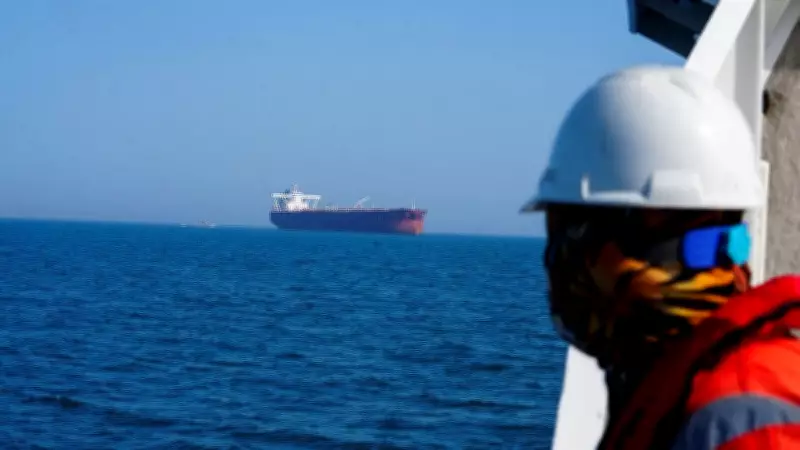
Shipping Industry Demands Clear Answers Before Hormuz Passage
The global shipping industry is facing significant uncertainty regarding transit through one of the world's most critical maritime chokepoints. The Norwegian Shipowners' Association has publicly stated that multiple critical issues must be thoroughly clarified before any commercial vessels can safely navigate the Strait of Hormuz.
Three Critical Concerns Requiring Immediate Clarification
According to the association's official statement, shipping companies are seeking definitive answers on three primary areas of concern that directly impact maritime safety and operational viability.
- Mine Presence and Maritime Security: The potential existence of naval mines or other underwater threats represents perhaps the most immediate danger to commercial shipping. Without clear information about mine locations, clearance operations, and ongoing security measures, transit through these waters remains unacceptably risky.
- Iranian Conditions and Requirements: The specific conditions, regulations, and requirements imposed by Iranian authorities for passage through their territorial waters must be explicitly detailed. Shipping companies require complete transparency regarding any new protocols, documentation needs, or operational restrictions that may have been implemented.
- Practical Implementation and Operational Procedures: Beyond theoretical agreements, the actual practical implementation of any safety measures or transit protocols must be clearly established. This includes coordination procedures, communication channels with naval authorities, and concrete operational guidelines that can be reliably followed by vessel crews.
Strategic Importance of the Strait
The Strait of Hormuz represents one of the world's most strategically vital maritime passages, serving as the primary conduit for approximately one-fifth of global oil consumption. This narrow waterway connects the Persian Gulf with the Gulf of Oman and ultimately the Arabian Sea, making it essential for energy exports from major producers including Saudi Arabia, Iraq, the United Arab Emirates, and Iran itself.

The Norwegian Shipowners' Association's statement reflects broader industry concerns about maintaining safe and reliable shipping lanes through this critical region. Any disruption to transit through the strait would have immediate and severe consequences for global energy markets, supply chains, and economic stability worldwide.
Industry-Wide Implications
The shipping industry's cautious approach demonstrates how geopolitical tensions can directly impact global commerce. Major shipping companies, insurers, and international trade organizations are closely monitoring the situation, as any uncertainty in this region affects:
- Insurance premiums for vessels transiting the area
- Shipping schedules and delivery timelines
- Fuel costs and overall transportation expenses
- Global energy security and price stability
The association's call for clarification comes at a time when maritime security in the region remains a pressing international concern. Until these critical questions receive satisfactory answers, shipping companies are likely to exercise extreme caution, potentially rerouting vessels or delaying transits through what would normally be one of the world's busiest shipping lanes.






