

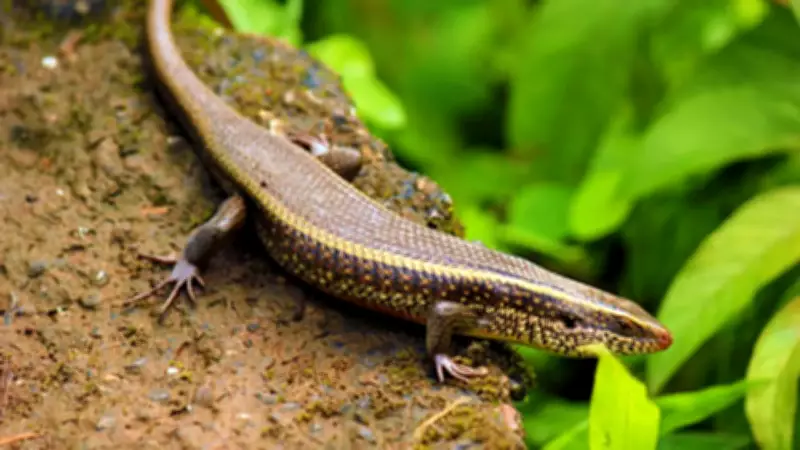
Skink Lizards: The Misunderstood Garden Guardians
Have you ever spotted a sleek, swift lizard darting across your garden path or scurrying along a wall? Chances are, you've encountered a skink. With their glossy bodies and lightning-fast movements, these reptiles are frequently misunderstood and perceived as potential threats. In reality, skinks are not only completely harmless to humans but also serve as crucial players in maintaining ecological equilibrium.
What Exactly Is a Skink Lizard?
Skinks belong to the Scincidae family, one of the largest and most diverse groups within the lizard kingdom. Characterized by their smooth, shiny scales, skinks typically exhibit colors ranging from earthy browns and grays to occasionally vibrant hues. Their elongated bodies are designed for agility.
According to research published in Ecology and Evolution, there are over 1,700 distinct species of skinks worldwide, representing a significant portion of global lizard diversity. A fascinating adaptation among skinks is their limb structure: some species possess notably small legs, while others have highly reduced or even absent limbs. This unique feature allows them to navigate effortlessly through soil, grass, and narrow crevices.

Are Skink Lizards Dangerous to Humans?
Skinks pose absolutely no danger to people. They are non-venomous reptiles that generally avoid human interaction. When startled, their instinct is to flee immediately. In rare instances where they feel cornered and are handled, they might deliver a mild, defensive bite. However, such bites are superficial and rarely cause any harm, making skinks perfectly safe neighbors.
Where Can You Find Skink Lizards?
Skinks are remarkably adaptable creatures, thriving in a wide array of habitats. They are commonly found in gardens, forests, public parks, and agricultural fields. Their preferred environments include areas that offer ample hiding spots from predators, such as beneath rocks, within piles of fallen leaves, or in sandy patches. In warmer climates, several skink species have adapted to live in close proximity to residential buildings.
The Skink Diet: Natural Pest Control
Skinks primarily feed on insects and various invertebrates. Their diet consists of common pests like ants, beetles, flies, and other small insects that inhabit their surroundings. This dietary preference makes skinks invaluable allies in natural pest management. Simply by residing in an area, skinks can significantly help regulate local insect populations, reducing the need for chemical interventions.
Unique and Fascinating Skink Characteristics
One of the most remarkable traits of skinks is their ability to perform autotomy—the voluntary detachment of their tail when threatened. The detached tail continues to wriggle, distracting predators and allowing the skink to escape. Another standout feature is their exceptional agility and speed. When danger approaches, skinks can vanish in an instant, utilizing their swift movements to find shelter.
The Vital Ecological Role of Skink Lizards
Skinks play a pivotal role in sustaining ecological balance. As insectivores, they help control pest populations, benefiting both natural ecosystems and human cultivated spaces. Furthermore, skinks are integral components of the food web, serving as prey for various birds, mammals, and larger reptiles. This positions them as a crucial, though often overlooked, link in healthy ecosystem dynamics.
Final Takeaway: Appreciating Our Scaly Neighbors
While skinks might appear unusual at first glance, they are neither dangerous nor a nuisance. Their presence, especially near homes, can be a positive indicator of a healthy, biodiverse environment. By understanding their behavior and ecological importance, we can dispel unnecessary fears and learn to appreciate these fascinating reptiles as beneficial contributors to our shared ecosystems.






